

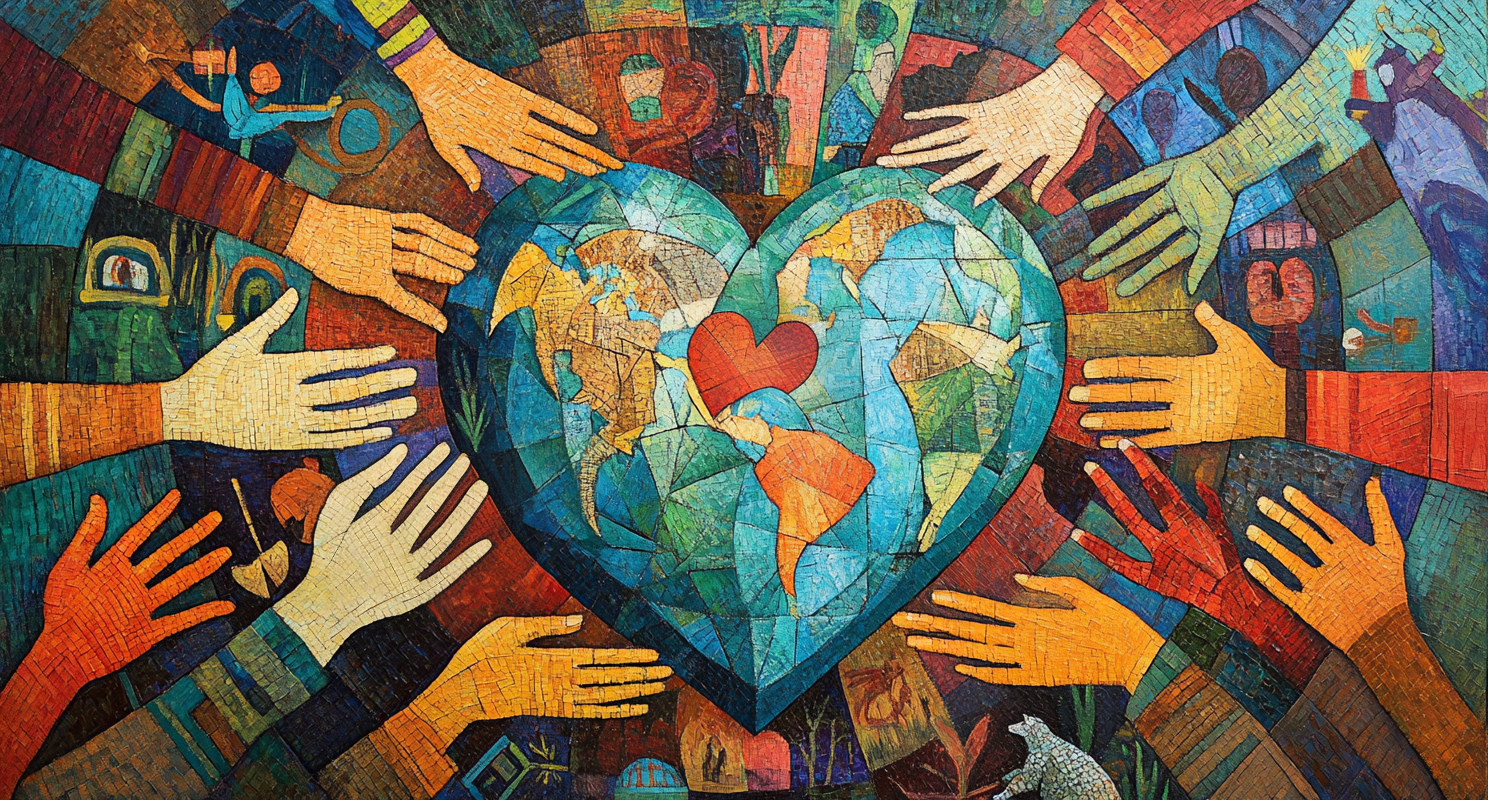
Thanks to our terrific speakers and panelists who joined us for the free, virtual Nova Campfire, “What the World Needs Now: Love, Kindness, and Listening in an Era of Polarization,” on June 4.
In a time of growing polarization, disconnection, and uncertainty, this Campfire explored how we can build social trust and reduce partisan animosity. Through insights from social psychology, communications, spiritual practice, and community wisdom, we examined practical strategies for shifting cultural norms, strengthening shared identities, and advancing collective change. Love and kindness are central to these efforts as powerful tools for healing and transformation.
Thought leaders and community practitioners working at the intersection of compassion, well-being, and social change shared their learnings and experiences with loving-kindness (metta) meditation, experiential dialogue, nature connection, and more. We examined how these practices bridge divides and cultivate empathy, connection, and care—and how research and validated tools can help measure and scale effective approaches to deepen compassionate love. And we highlighted how integrating spiritual and deeper perspectives supports more authentic, meaningful, and open-minded engagement.
These heart-centered practices foster emotional resilience and social trust—and they’re vital to our physical and societal well-being. They help reduce stress, nurture belonging, and deepen connections. At a time when the fabric of society feels increasingly frayed, leading with compassion and grounded care lights the way toward a more just, peaceful, and flourishing world.
See the full event recording below and scroll further for individual presentations.
Program and Panelists
A brief introduction from Susan Prescott, director of the Nova Network, and Brian Berman, president and founder of the Nova Institute for Health, followed a general welcome and “mindful moment” from Rick Scott. Panelists spoke for around 6-7 minutes, weaving their narrative threads to provide the fabric for discussion that all attendees then contributed to.
Welcome

Professor Brian Berman, MD, is the president and founder of the Nova Institute for Health and professor emeritus at the University of Maryland School of Medicine, where he was director of the Center for Integrative Medicine. He is one of the most highly funded National Institutes of Health (NIH) researchers in the field of integrative and complementary medicine. A pioneer in the field and founder of the first U.S. academic medical center-based program for integrative medicine in 1991, he received two Bravewell Collaborative awards in leadership and service. He continues to conduct NIH-funded research at University of Maryland and promote a broad vision of health through leadership at Nova Institute for Health.
What the World Needs Now

Susan Prescott is director of the Nova Network. She is a professor of planetary health at University of Western Australia, editor-in-chief of Challenges, and a Scholar at the Nova Institute for Health in Baltimore. She is a pediatrician, immunologist, artist, and award-winning author, internationally recognized for cutting-edge research into early environmental determinants of health and disease. Her global work promotes awareness of the interconnections between personal and planetary health in ways that inspire creative, integrated, and wise approaches, grounded in reciprocity, for social and ecological justice and flourishing futures.
More in Common Than We Think: Interventions to Reduce Partisan Animosity
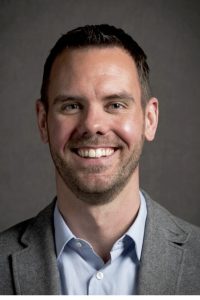
Kurt Gray is a social psychologist and an award-winning researcher and teacher using interdisciplinary methods to study our deepest-held beliefs and how to bridge moral divides.Dr. Gray is the incoming Weary Family Foundation Endowed Chair in the Social Psychology of Polarization and Misinformation at Ohio State University. He is also a professor in psychology and neuroscience at the University of North Carolina at Chapel Hill where he directs the Deepest Beliefs Lab, exploring the psychology of morality, politics, religion and AI. He also directs the Center for the Science of Moral Understanding, which explores new ways to reduce polarization. He is the author of Outraged: Why We Fight about Morality and Politics and How to Find Common Ground.
Mitigating the Harms of Polarization: Harnessing Shared Identities to Build Social Trust

David Nelson is a Nova Institute Invited Faculty and part of the emerging field of generalism which encourages a broad knowledge base, an ability to synthesize information from various domains, and a desire to provide unique perspectives to emerging solutions. Specifically a non-specialist, he uses relativism and perspective as tools to make new and novel connections. He has published on topics ranging from clinical ecology and integrative medical modalities to nutritional considerations in health and disease.
Cultivating Common Ground: How Meditation Practices Might Reduce Polarization and Increase Pro‐Sociality and Pro‐Environmentalism
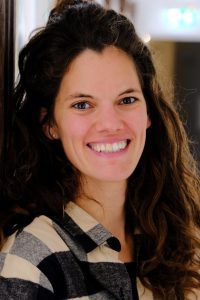
Lena Ramstetter explores the intersections of political psychology and contemplative practice to support social transformation. Her PhD research at the University of Salzburg examined how mindfulness influences affective polarization, environmental attitudes, and openness to opposing views—especially regarding climate change. She teaches at the University’s Department of Political Science and contributes to fostering a mindful, compassionate academic culture. Her work, published in Mindfulness, iScience, and Frontiers in Political Science, focuses on the emotional foundations of democratic engagement. Beyond academia, she facilitates courses that cultivate reflection, resilience, and connection across diverse settings.
How Meditation Practices Might Promote Empathic Concern and Person-Centered Supportive Communication
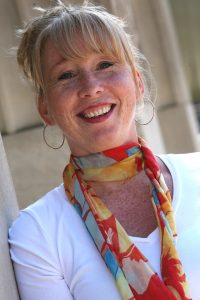
Susanne Jones is a professor in the Department of Communication Studies at the University of Minnesota, Twin Cities. Her research explores interpersonal communication, social support, and emotion regulation, with a focus on the verbal and nonverbal behaviors that help individuals cope with distress. Using experimental methods, she analyzes recorded conversations through quantitative coding procedures. Originally from Hamburg, Germany, she also grew up in Swakopmund and Windhoek, Namibia, and completed her degrees at Georgia Southern University, Indiana University, and Arizona State University.
Nature-Based Community Mindfulness Practices Promote Compassion and Connectedness
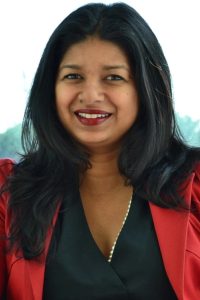
Knellee Bisram transitioned from her career in international relations and consulting to dedicate her efforts to the Academy of the Heart and Mind Education and partnerships that build mindful, resilient communities. Serving as lead NGO representative to the United Nations, she leverages regional, national, and global multi-stakeholder partners to bring a nature-based, mindful approach to 21st century global challenges including water and climate justice, women’s well-being, and more. A longtime student of meditation, mindfulness, and various mind-body modalities, Knellee is the cocreator of the Be Nature program. She has designed curricula and taught mindfulness, mind-body, and emotional intelligence to broad audiences in English and Spanish throughout the Americas.


