Unseen: The Impact of Trump’s Draconian Immigration Policies on Asian Americans
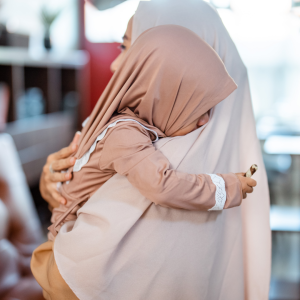
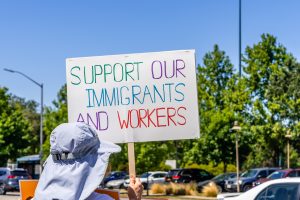
For MindSite News, Media Fellow Simran Sethi reports on the health impacts of immigration policies on Asian Americans.
Led by distinguished Nova Scholars and Fellows, our collaborative centers are transdisciplinary hubs advancing leading-edge research and implementing innovative solutions for today’s most pressing challenges.
The Nova Institute for Health’s Media Fellowship program aims to increase public understanding of the complex, intertwined connections between the health of people, places, and the planet. Media Fellows explore the many factors that promote well-being, prevent disease, contribute to healing, and increase an individual’s ability to flourish and live a fulfilling life.

For MindSite News, Media Fellow Simran Sethi reports on the health impacts of immigration policies on Asian Americans.

Media Fellow Tasmiha Khan reports in Prism about complex barriers facing immigrant and refugee mothers in U.S. higher education.

For the New York Times, Media Fellow Kate Morgan reports on a community care movement trying to provide care in Appalachian maternity deserts.

Nova Media Fellow Rowan Jacobsen recounts for Harper’s his personal experience of a month with no artificial light at night and how light influences sleep.
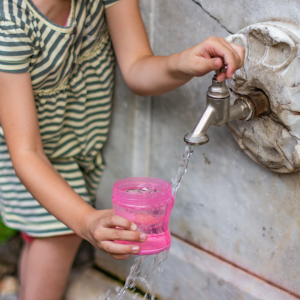
In Oxford Research Encyclopedia’s Food Studies, Media Fellow Lela Nargi connects the dots between food and nutrition insecurity and water scarcity in the United States.

In the New York Times, Media Fellow Kate Morgan uncovers the resurgence of black lung for Appalachian coal miners and how federal policy change threatens their access to care and worker protections.
In a cover story for Scientific American, Nova Media Fellow Rowan Jacobsen explores the healing potential of sunlight.
In Grist, Media Fellow Maria Parazo Rose examines how climate projects in Indigenous territories often violate Indigenous rights—and how to…
In Science Friday, Media Fellow Preeti Simran Sethi and Scholar Christina Bethell explore emerging research on positive childhood experiences. Esta…
In the New York Times, Nova Media Fellow Kate Morgan explores how artificial intelligence is being used to find new…
In Eos magazine, Nova Media Fellow Virginia Gewin explores the immense economic impact of health issues from wind erosion and…
Nova Media Fellow Virginia Gewin reports for Civil Eats on the mounting evidence connecting paraquat to serious human health risks…
For Yale Environment 360, Nova Media Fellow Lela Nargi reports on efforts to dismantle small dams throughout the Northeast and,…
Nova Media Fellow Maria Parazo Rose reports in Grist about how a misfiled 19th century treaty caused significant land loss…
Nova Media Fellow Kate Morgan reports for the New York Times about how the "health freedom" movement, with views that…

Healing is facilitated through safety, persistence, and trust.

Resources support us as we heal. They include reframing, responsibility, and positivity. “Making connections enabled participants to acquire and refine resources and skills that were essential in their healing journey. People also brought their own personal strengths to the journey.”

“Connection to others was an essential part of all the healing journeys.” Humans are social creatures, and even the most introverted of us need close relationships. Friends and family add meaning and value to life and help support us, in good times and bad.
When we experience relational trauma, relationships can feel scary, but reestablishing safety and trust in relationships is where the healing happens. (To be clear, we do not mean reestablishing safety and trust with abusers, but rather finding other healing relationships.)
“When safety and trust had been established, people were able to connect with helpers. The nature of the behaviours of helpers that fostered healing ranged from small acts of kindness to unconditional love.”

Healing probably means different things to different people, but one definition that emerged from the study is: “The re-establishment of a sense of integrity and wholeness.”
Healing was an emergent property that resulted from each individuals’ complex healing journey, a result of bridged connections between resources and relationships. “…they gradually found relief from suffering and began to exhibit emergent characteristics: a sense of hope, self-acceptance, and a desire to help others—the immediate precursors to healing.”
In varying degrees, “they were able to transcend their suffering and in some sense to flourish.”

Suffering is the ongoing pain from wounding.
There is some debate about whether people always experience suffering on the path to healing.

Wounding happens when we experience physical or emotional harm. It can stem from chronic illness or by physical or psychological trauma for which we do not have the tools to cope, or a combination of those factors.
“The degree and quality of suffering experienced by each individual is framed by contextual factors that include personal characteristics, timing of their initial or ongoing wounding in the developmental life cycle and prior and current relationships.”
Characteristics: How predisposed someone may be to wounding/how many tools and resources someone may have to deal with trauma/illness.
Lifestages: Developmental timing plays an important role in the impact of trauma — young children often do not have the same resources as older adults.
Relationships: Relationships can provide solace and support for those suffering, while lack of healthy relationships can prolong suffering.