

The Chinese word for crisis—wei ji—includes two characters, often interpreted as “danger/chaos” and “opportunity.” That may be a perfect description of where we are today. Here in the United States, we’ve just lived through a highly contentious and divisive election whose results are causing a great deal of reflection, while across the globe we seem to be at a pivotal turning point for the flourishing of people, places, and planet.
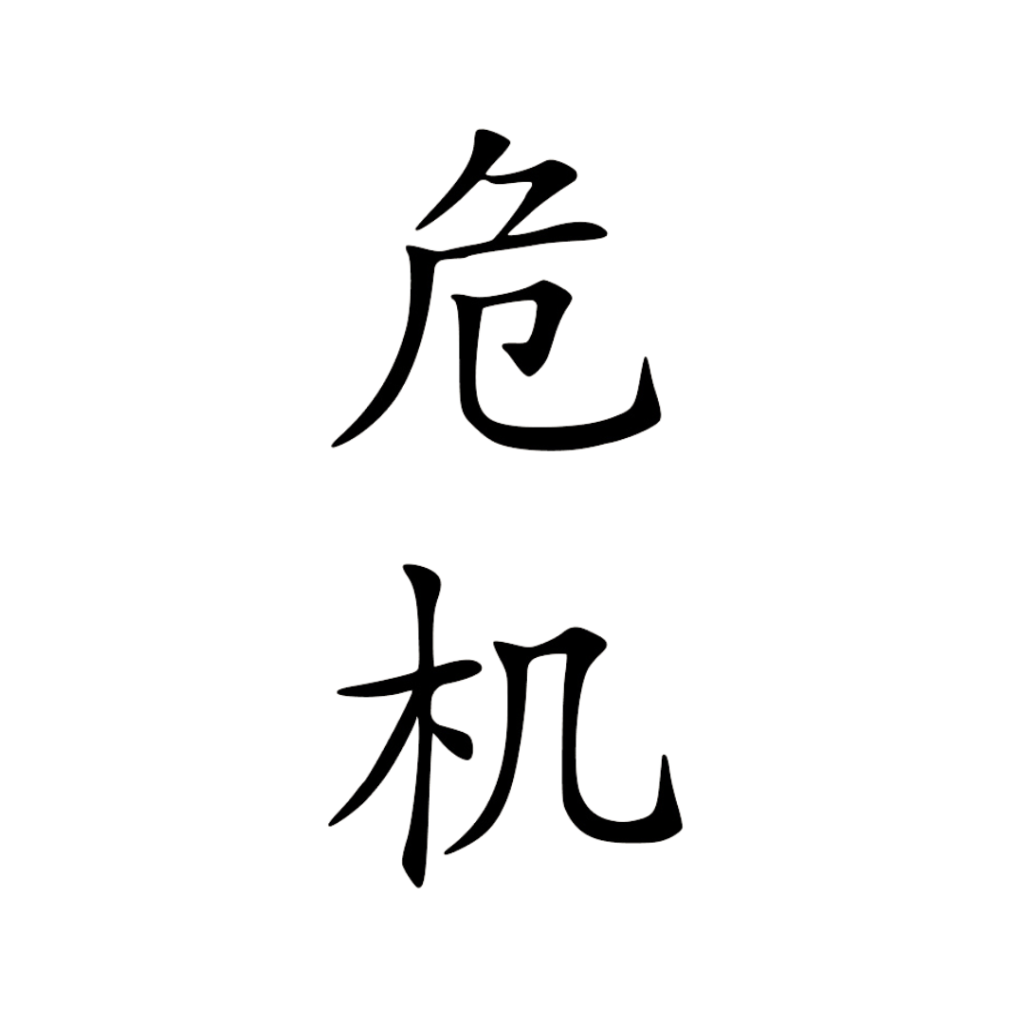
Danger tends to be louder than opportunity. Today’s news screams of deadly global conflicts, harrowing natural disasters, and political divisions that threaten to rip communities and countries apart. Tucked into each of these crises, however, are seeds of transformation. We just need to figure out how to help them take root.
Jonas Salk, the renowned developer of the polio vaccine and unrelenting proponent of a science of hope, deeply believed in our potential to respond to wei ji moments. As he once explained: “For 10,000 years, we have been preparing ourselves for what can happen now. I am quite optimistic. There exists in man the capacity to avert catastrophe.”
Salk understood—as we do at the Nova Institute—that responding in a crisis requires a collective effort, a recognition of our inherent mutuality, and a belief that win-lose strategies rarely lead to the best outcomes.
We seem to know how to marshal that collective response in the wake of natural disasters. Consider the heroic efforts to respond to neighbors (and strangers) after hurricanes Helene and Milton slammed through the southeastern United States this fall. Rescue crews waded through flooded streets to knock on doors. Convoys delivered clean water, food, and hygiene kits. Linemen from distant states slept in their trucks for days to help restore power. On their own, none of these responses is sufficient; together, they saved countless lives.
Charles Darwin would have understood the necessity of that group effort. For decades, his theory of evolution was poorly understood as “survival of the fittest,” offering an eat-or-be-eaten view of humanity. But he was very clear that interdependent communities—those with “the greatest number of the most sympathetic members”—were far more likely to flourish than those in which individuals sought personal gain. Think about that: even the father of natural selection told us the best way to survive is to cooperate.
Why is it often so hard to apply this lesson to wei ji moments? What landmark solutions might we unlock by coming together?
At the fall gathering of Nova Institute Scholars and Fellows, we convened a session on “three Cs”: connection, collaboration, and cocreation. Given our focus on interconnectedness of our personal, communal and planetary health, we inherently understand the potential value of the networks and collaborations we might forge together. And unexpected opportunities emerging from these interactions may be exactly what’s needed to respond to the crises at hand.
These are important actions, and I would add one more important “C”—for compassion, especially in this time of crisis, when many feel apprehensive about the future. We all want good health for ourselves, for our children, and for our planet—it doesn’t matter where you live or what political party you belong to. We cannot fully understand others unless we have walked in their shoes and, by looking through the lens of health, hopefully we can better work together for a promising present and future.

Professor Brian Berman, MD
President and Founder, Nova Institute for Health
Professor Emeritus Family and Community Medicine, University of Maryland School of Medicine


