

By Arianna Maysonave
October 2, 2025
"Creating spaces where people can come together, share their pain, and support one another from a compassionate place is essential."
Jim Gordon, The Center for Mind-Body Medicine
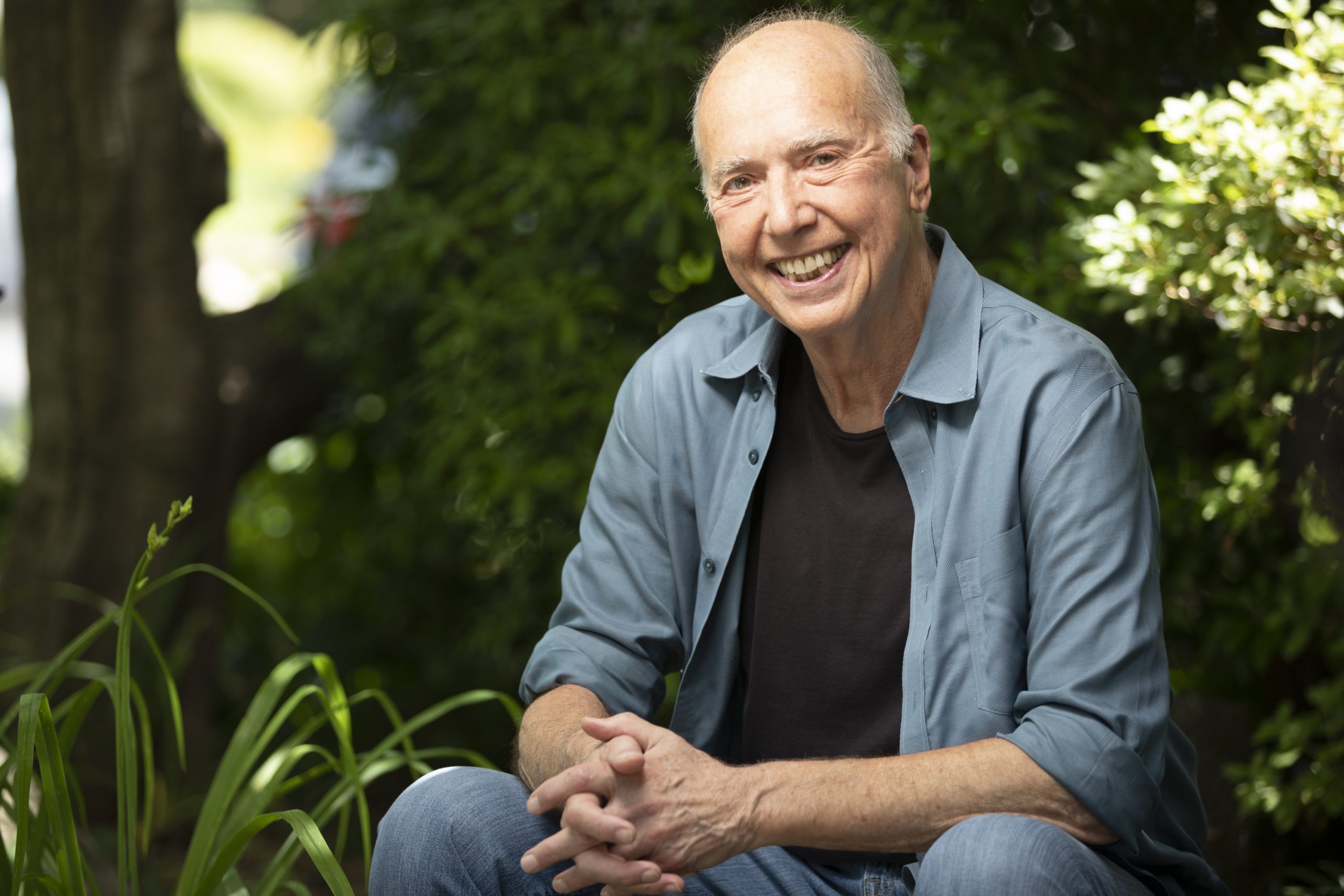
James S. Gordon, MD, author of Transforming Trauma: The Path to Hope and Healing, is a Harvard-educated psychiatrist and the founder and CEO of the nonprofit Center for Mind-Body Medicine in Washington, D.C. Dr. Gordon is internationally recognized for using self-awareness, self-care, and group support to heal population-wide psychological trauma. He is a clinical professor at Georgetown Medical School, and was chairman (under Presidents Clinton and G.W. Bush) of the White House Commission on Complementary and Alternative Medicine Policy.
The Center for Mind-Body Medicine provides what may well be the world’s most effective program for relieving population-wide psychological trauma. Its comprehensive program of self-awareness, self-care, and mutual support has been repeatedly hailed by children and adults as “life-transforming, even life-saving” and was described in The New York Times as “the program with the most evidence that it cures PTSD.” Their mission is to help communities around the world develop the tools they need to heal population-wide trauma and build resilience. They collaborate with community leaders to co-create trauma relief and resilience-building programs that are responsive to the community’s unique experiences, needs, goals, and culture. They create in-person and online programs that provide a thorough understanding of the science of mind-body medicine and self-care, and a supportive small group experience, in which trainees practice a range of evidence-based techniques that restore physiological and psychological balance, enhance their self-awareness and compassion, and enable the skillful use of this approach with others.
Q: You’ve been called a pioneer in mind-body medicine. Can you take me back to the beginning—what first stirred your interest in looking beyond the conventional path?
Jim Gordon (JG): From the time I arrived at college at sixteen, I was already beginning to question the world I had grown up in. I was raised in an upper middle-class family with strong values of achievement, competition, and excellence—and I did well in that system, both academically and athletically. But I kept asking myself: Is this it? What is this wider world really about?
As an undergraduate, I found myself looking for inspiration outside the usual channels. I was drawn to movements and thinkers who were challenging the status quo—the Cuban revolution, the civil rights movement, the poetry of Allen Ginsberg and the Beats. They were all pointing toward new ways of living, of being in community, of making change.
Q: You studied literature before medicine. Were there particular mentors who shaped your perspective in those early years?
JG: Yes. At Harvard, where I studied English literature, one of my most important mentors was William Alfred, a devout Catholic whose generosity, kindness, and deep humanity left a lasting impression on me.
Even though I was surrounded by brilliant people, I was looking for those who embodied not just intellectual excellence, but compassion. William Alfred modeled that for me, and it planted an early seed: that scholarship and humanity had to go hand in hand.
Q: What was it like stepping into Harvard Medical School after that experience?
JG: Honestly, it was disorienting. My classmates were dazzling—many had already published scientific papers before arriving.There were hopes of Nobel Prizes in the air. But I quickly realized that much of the culture was focused on science for its own sake, with very little concern for patients.
Our education in the first two years was dominated by laboratory work and lectures, and patient contact was minimal. I kept asking myself: Why am I here? I wanted to be a doctor to help people, but I didn’t feel at home in this environment.
At the same time, I was deeply involved in the civil rights and anti-war movements of the 1960s. That felt more alive, more aligned with the values I was beginning to embrace, with truly caring for other people and their welfare and their freedom. Eventually, I even took a year off from medical school to sort out what I was really doing there.
Q: During that time of questioning, who helped you find a new way of seeing medicine?
JG: One of the most important figures was Robert Coles. He was a young psychiatrist then, working with Black children who were integrating schools in New Orleans, and writing about it in the national press.
I went to him for therapy when I returned to medical school, and he became a model for me. He showed that it was possible to be both a psychiatrist deeply committed to patients and someone engaged in the pressing social issues of the day. He expanded my view of psychiatry into something anthropological and socially conscious.
Around that same time, I was reading R.D. Laing, who was challenging psychiatry itself. His book The Politics of Experience suggested that psychosis might not just be an illness, but a kind of reasonable response to an unreasonable world. That resonated with me.
Q: How did these influences shape the way you practiced once you became a psychiatrist?
JG: By the time I began my psychiatric residency, I was already pushing against the medical model. As chief resident on an inpatient ward, I worked primarily with people who were psychotic or suicidal. Instead of relying heavily on medication, we created what I’d call a healing environment.
We structured the ward democratically—patients could come and go as they wished. We respected their autonomy and their humanity. What I saw was that psychosis sometimes carried the seeds of wisdom. These difficult states could be the beginning of transformation if they were guided and guarded with care. I wrote about Laing and this more existential and democratic psychiatry in The Atlantic.
After residency, I was able to join the U.S. Public Health Service as an alternative to military service. I was assigned to the National Institute of Mental Health (NIMH), where I began working with runaway and homeless young people. At that time, being a runaway was considered both a crime and a psychiatric disorder. I knew that wasn’t true. The vast majority of these kids weren’t crazy or criminal—they were surviving. At NIMH, I challenged those assumptions and eventually created a national program for runaway and homeless kids.
Q: Alongside that work, you were exploring healing traditions outside of mainstream psychiatry. What drew you there?
JG: I was looking for methods of physical healing that paralleled and could amplify the psychological and social transformation I was creating with runaway kids and their counselors and experiencing them myself. That led me first to meditation and very quickly to Chinese medicine, naturopathy, homeopathy, and osteopathy.
And I didn’t just explore them personally—I wanted the scientific establishment to take them seriously. At NIMH, I pushed for studies of these approaches. With NIMH’s support and an introduction by Senator Ted Kennedy, I co-edited Health for the Whole Person, the first major compendium of what we knew about the various approaches that were included in what were being called holistic medicine. It included the science demonstrating the effectiveness of approaches, as well as discussions of the limitations of that science.
Q: What ultimately led you to found the Center for Mind-Body Medicine?
JG: I left NIMH during the Reagan years, when the climate made it harder to do the kind of expansive work I was interested in. I went into private practice, continued writing for The Atlantic, The New York Times, and The Washington Post, and kept seeing patients. But I wanted to work on a larger scale, and to bring a holistic or integrative perspective to health care policy.
In 1991, I founded the Center for Mind-Body Medicine (CMBM) to do just that—bringing together the science, the healing practices, and the social vision I had been developing over decades. It became a place where we could learn, teach, study, and share tools that empower people to heal themselves and their communities.
The Center was born from my conviction that self-awareness and self-care needed to be at the center of health and mental health care. I began with 25 volunteers and no paid staff and we created a curriculum that included 20 self-care techniques that were offered in small groups as well as in a large group setting. Initially, we trained people in the D.C. area, and when that worked out well, we began to offer national trainings. About a third of the 120 participants in the first of these annual trainings were physicians, most of the rest mental health clinicians. They took what they learned back to their hospitals and clinics and brought our approach of self-care and mutual support into medical schools. Many of our graduates felt the work transformed their practices and became deeply committed to sharing the approach widely.
After about five years, I began to ask: If this approach works so well in the United States, could it also work in some of the most troubled places on the planet? I started to go with a family physician colleague to some of those places. In Mozambique, where there’d been a bloody revolution and civil war, we worked with former child soldiers; in South Africa, we brought mind-body approaches to people who’d lost family members during apartheid. What we are doing worked for these people too, and seemed to dovetail well with traditional approaches. We went to Bosnia in 1997, shortly after the Dayton Accords were signed, ending the Bosnian War.
We were welcomed by a number of physicians and public health professionals, but it became clear that it would be difficult, if not impossible, to develop a population-wide approach in a country that was so deeply fractured by four years of war and well over 200,000 deaths. The time to begin the work of psychological healing, it was clear, was at the beginning of a war, not after it was over. So when Kosovo’s war for liberation began in 1998, we began work while the guns were firing and the bombs falling. Kosovo, where we ultimately trained over 600 people, including all 250 workers in the community mental health system, became our pilot program. Ever since then, a major focus of The Center for Mind-Body Medicine’s work has been helping communities deal with large-scale psychological trauma—during and after wars, climate-related disasters, mass shootings, the opioid epidemic, and in communities devastated by historical trauma.
Q: How would you define mind-body medicine? What sets it apart from other healing approaches?
JG: There are two essential aspects.
First, mind-body medicine is grounded in science—biology, physiology, neuroscience. Everything we think, feel, and do, every part of our social and economic life—our gender, race, and circumstances—affects every organ and cell in our body. And what happens in our body affects who we are, how we think and feel, and how we relate to the world.
Second, we all have the capacity to enter into this continual conversation between our thoughts, feelings, and sensations, the social world, and our organs and cells. We can enter that conversation in a way that is therapeutic and beneficial.
Q: You and CMBM clearly have had global impact. Can you share some examples of your work in conflict zones, particularly Gaza and Israel?
JG: Gaza has been one of our most intensive and extensive programs. Our extraordinary Gaza team teaches children and adults to use slow, deep breathing to quiet the fight or flight and stress responses; shaking and dancing to melt trauma frozen bodies; guided imagery to find solutions to previously insoluble problems; and self-expression in words, drawings, and movement. In the small groups, which are central to our work, participants have an opportunity to share grief, rage, and hopelessness, as well as sanity-saving and health-giving experiences and new hope for the future.
Over 20 years, we’ve worked with 285,000 people in Gaza. Since the current war began, another 200,000 have participated in workshops, individual sessions, or 5-session mind-body skills groups. Nearly everyone in Gaza qualifies for post-traumatic stress disorder (PTSD), but after our programs, those numbers often drop from nearly 100% to about 50–60%. Even in the face of immense loss, people are less anxious, less aggressive, more able to relate to others. They are sometimes overwhelmed, but not frozen.
We have a parallel program in Israel and have also worked there for more than 20 years. Over the last two years, our Israeli team has worked extensively and successfully with survivors of the October 7 attacks, with the families of hostages, and with war-traumatized troops returning from Gaza. We’ve also responded to highly credentialed Israeli therapists who are asking us to provide guidance and training to equip them to deal with a level of trauma they have never before seen.
Q: CMBM has also focused on working with young people. How do you approach youth programs?
JG: We’ve worked with youth from the very beginning. After a youth suicide epidemic at Pine Ridge Reservation, we trained young people to be peer counselors. After the shootings in Broward County, Florida, we trained high school students there. We’ve worked intensively with youth in an Appalachian county as well as in Gaza, and, indeed, every one of our programs. We have a specialized children and youth track in our Advanced Training, and in the locations I named above, we have programs to train youth to be peer counselors. The demand for this work is huge, but our limitation is always funding. I’d love to expand these programs further, because young people both need the support and are often the best at sharing it with each other.
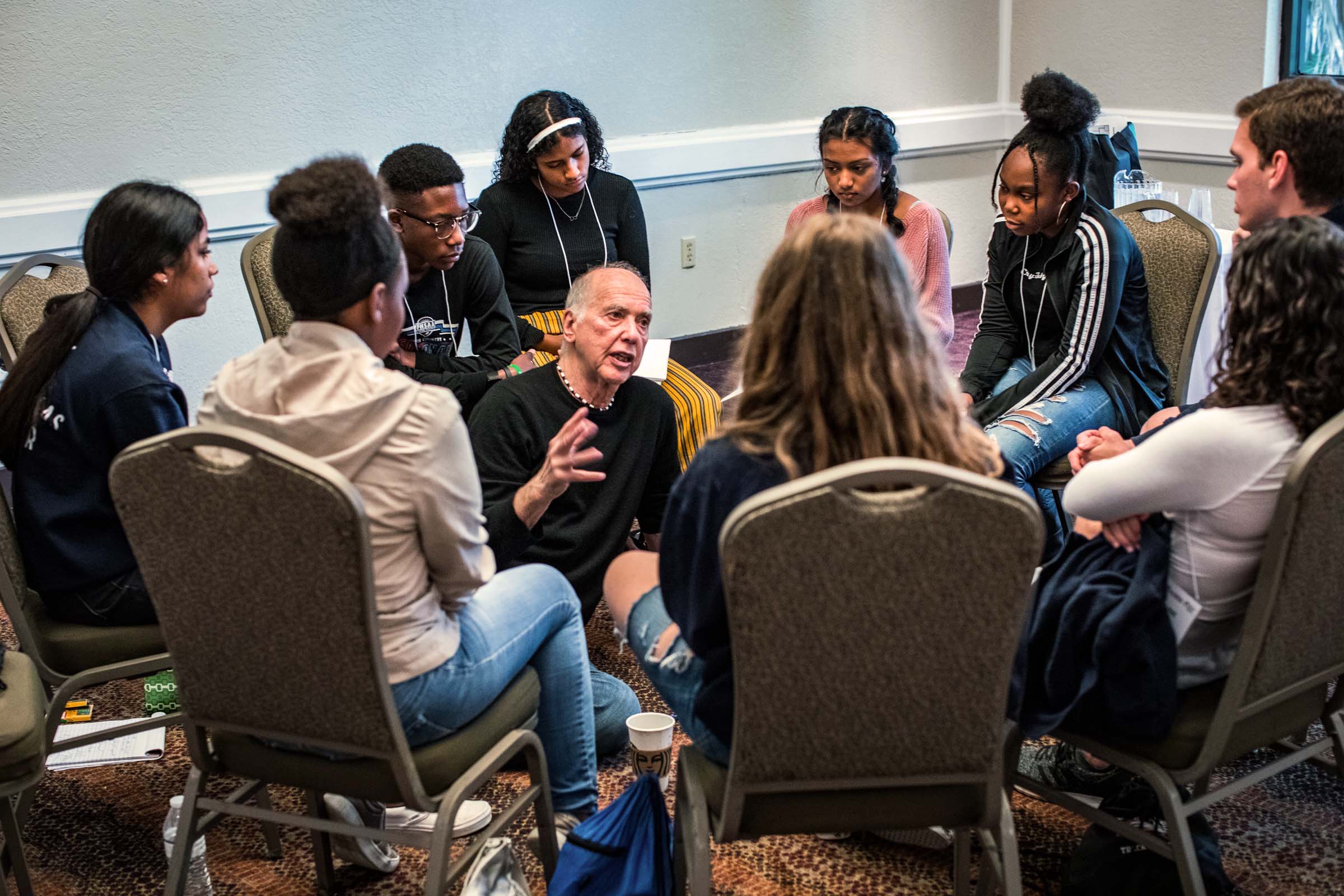
Jim trains peer counselors in Broward, County, Florida after the Parkland shooting where local counselors say isolation, substance abuse, and fear heightened after the tragedy.
Q: Your latest book is Transforming Trauma: The Path to Hope and Healing. Can you share its core message?
JG: The essence of the book is that it is possible not only to move through trauma, but to grow from it—to experience post-traumatic growth. Hope is central to the process. I communicate this in a variety of ways and provide 16 evidence-based self-care techniques so that readers can experience this for themselves. I do my best to show readers that the possibility of transformation is real, and I give them practical, scientifically grounded methods to make it a reality for them, and offer inspiring stories from the lives of people just like them.
Q: Tell me about the training program offered by CMBM. What are its primary pillars?
JG: Our training is built on the belief that you can’t help others through trauma unless you’ve experienced and practiced the tools yourself. That’s why we teach 16 evidence-based self-care techniques—like slow, deep breathing to calm the stress response, guided imagery, biofeedback, mindfulness, expressive drawing, and small-group sharing—to help people discover their own capacity for healing.
The initial training, which we call our Professional Training Program (PTP), runs four days and combines science, practice, and group work in small circles of about ten people. Faculty guide participants, but everyone is both a learner and a teacher—there’s no analysis or interpretation, just sharing and self-discovery. After PTP, trainees practice at home, then return for the Advanced Training Program (ATP). In the ATP, they lead groups themselves, with coaching and mentorship from our faculty. After the ATP, as they integrate our approach into their lives and their ongoing work, we can provide weekly supervision. When we’re working with a whole community or region, we train a local leadership team to ensure the sustainability of the program.
We’ve seen this model succeed in myriad settings: with veterans in the United States Veterans Affairs system; in Kosovo’s community mental health program; with clinicians, educators, clergy, and traditional healers in Haiti; with American populations devastated by climate-related disasters and mass shootings, including on Native American reservations; and with whole populations in Gaza, Israel, Puerto Rico and Ukraine.
The results are consistently powerful: when teachers in Kosovo led mind-body skills groups for their students, 82% of those who initially qualified for the diagnosis of PTSD no longer qualified after 12 sessions. We published the results of this landmark randomized controlled trial in a major psychiatric journal. We’ve replicated these results in work with children, youth, and adults in Gaza, as well as in other contexts.
Q: How do you decide where to work?
JG: We go where we’re needed and proceed with partners we discover with openness and persistence. Sometimes communities reach out to us, as in Israel and Gaza after they read about our work in The Washington Post. Other times, we simply go where there’s urgent need. When the war in Ukraine began, I went with just one contact and ended up meeting exactly the right person who connected us with the country’s leading psychotherapeutic organizations. In Haiti, we hadn’t planned to go, but after the 2010 earthquake the devastation was so severe we felt compelled. We went within weeks, with just a couple of local connections, and built partnerships from there. So whether through invitations or by showing up and building relationships on the ground, we find ways to bring this work where it’s most needed.
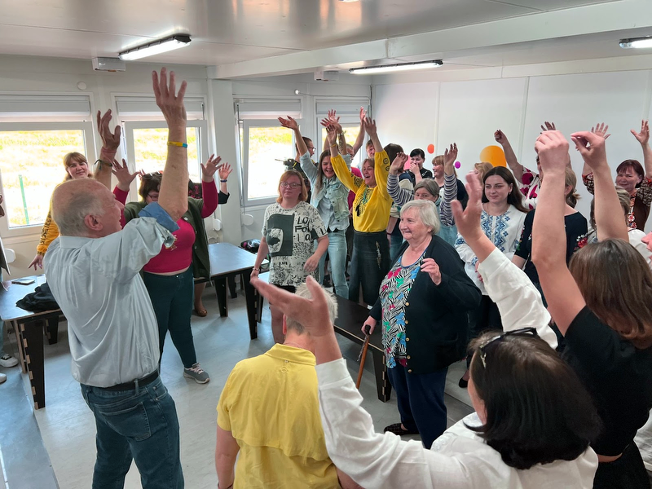
Movement, including shaking and dancing, is one of several modalities that help reorient people in their bodies after trauma, such as this group of people displaced by the war in Ukraine.
Q: What do you see as the next frontier for your work—and for CMBM?
JG: Looking ahead, I see two frontiers. The first is practical: we need to engage more people to actively support this work. For example, in Ukraine, where we’ve developed the beginnings of a wonderful nationwide program which has already reached many thousands, our funding, which came through USAID, was abruptly cut and we are now having to reach out to find support elsewhere.
The second frontier is more personal and spiritual. At 83, much of my work is about passing leadership on to others while deepening my own service to the divine—finding ways to bring more hope, compassion, and unity into a divided world. I don’t know exactly where that will lead, but it will certainly be grounded in giving as many people as possible the tools and inspiration for healing. Our trainings—online, and in person, in communities around the world—are one way we invite people into this journey of transformation.
Q: We are undoubtedly living through incredibly complicated times. What do you see as a pathway from a mental health crisis to a more harmonious way of being in the world, both individually and collectively?
JG: Trauma is universal. It comes to everyone, in one form or another. The most important thing is to be present with people. The techniques we teach—breathing, movement, imagery—are powerful, but equally important is the human presence of someone who is not intimidated, who is open and compassionate.
Creating spaces where people can come together, share their pain, and support one another from a compassionate place is essential. This is what sustained the civil rights movement, and it is what we need now. I would love to help lead a national movement to bring these skills to communities across the United States, to help people relax, to be open to one another, to stand up to injustice, and to learn, as Jesus famously advised, to be “as wise as serpents and as gentle as doves.”
Q: What are some of the injustices that concern you the most?
JG: For me, obvious injustices include poverty, racism and other ignorant prejudices, the brutality of much incarceration and the absence of true rehabilitation, and, most immediately, the dangerous and pathetic demonization of those with whom we disagree.
Q: Finally, what brings you hope?
JG: What gives me hope often comes from the ordinary rhythms of my life. Caring for my former wife, who lives with significant disabilities, is a daily practice of service and love. It’s challenging, but also deeply rewarding—I still enjoy her company and feel that caring for her brings meaning.
My children also give me hope. My son, who’s 22, continues to surprise me with the depth of his mind as much as his athleticism. Watching him grow has been a great joy. One powerful moment was when he came with me to Pine Ridge Reservation as a teenager. He was the only White boy in a group of Native kids and was welcomed into their homes. Afterward, he told me, “Dad, I’ve been living in a bubble.” That experience changed him profoundly and reminded me of the transformative power of connection and openness.
A young woman I helped to raise and I have been reconnecting with—rediscovering some of the closeness we had when she was little. It’s been a great gift.
Hope also comes from learning. I’m writing more, honing that craft—even learning, again, to play chess, and getting a little bit easier with my Tai Chi.
And I’m touched when I see people reaching across divides—remembering a program in which Israeli Jews and Palestinians spoke respectfully with and learned from one another. And more recently, helping to facilitate open communication and greater understanding between police and community activists. Witnessing this kind of dialogue, growth, and mutual appreciation reminds me of what’s possible and urges me to do my best to make it available to as many people as I can.
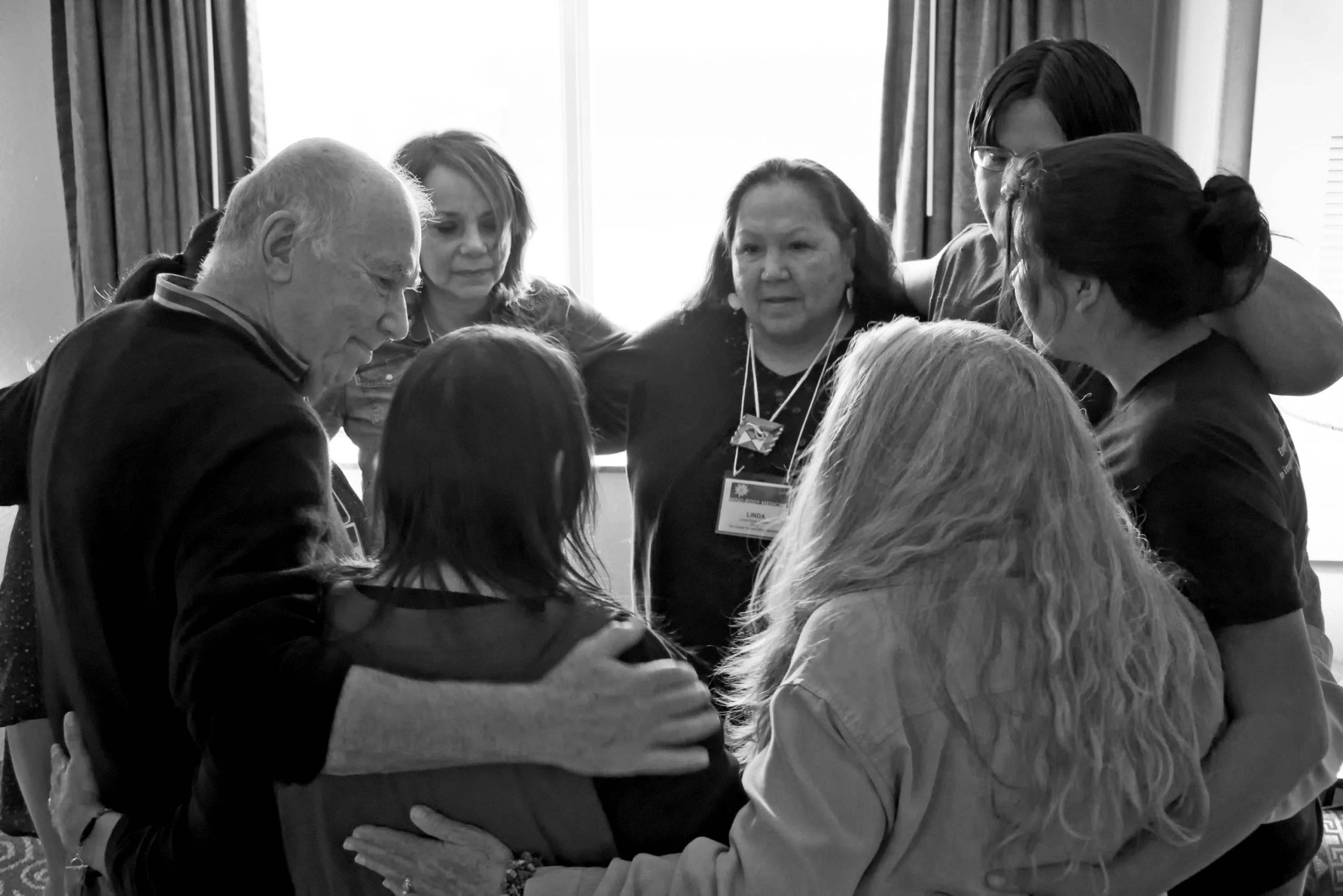
The Center for Mind-Body Medicine works with diverse groups including the Pine Ridge Reservation, where a youth suicide epidemic prompted trainings to empower young people to be peer counselors.
This interview is part of the Nova Institute for Health’s Insight Collaborative for Mental Well-Being project. The Insight Collaborative is supported by a generous seed grant from the Mental Insight Foundation.


