

June 12, 2024
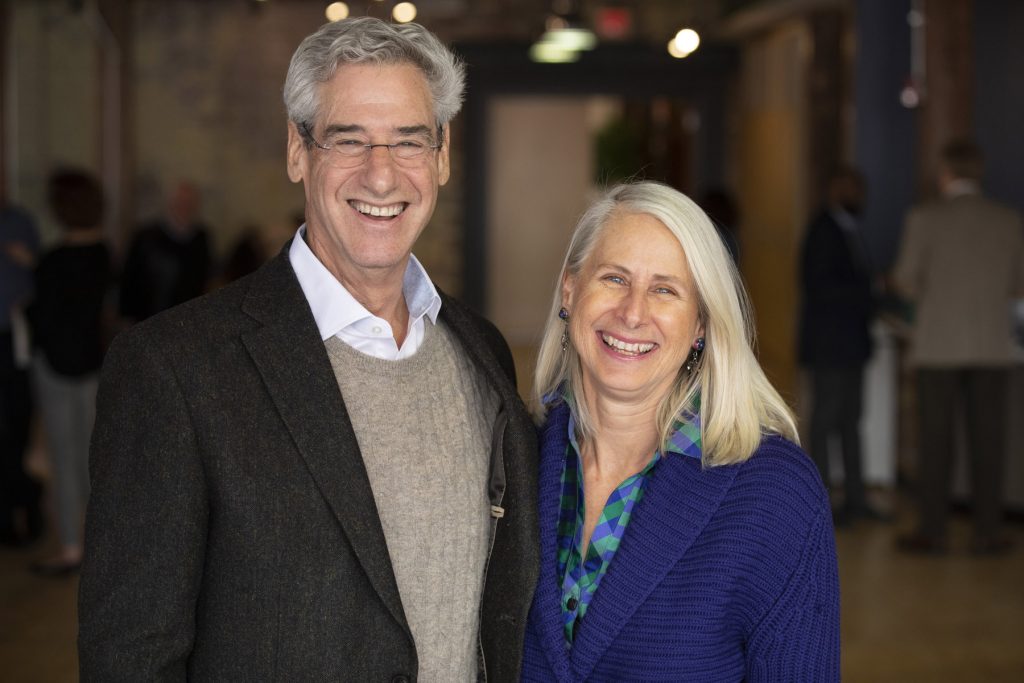
Last month, my wife, Sue, and I attended an event at the Kent Cultural Alliance in the rural Maryland county where we spend much of our time. The evening featured three resident artists who had all worked under the theme “LAND” as they explored agriculture, soil, family farms, and our local communities.
One of the artists, Austen Camille, connected with a fourth-generation Kent County farmer, whose approach on his 13,000-acre Harborview Farms includes growing cover crops that support the health of his soil. In a poetry collection that came out of her residency, “Listening to a Field through the Window of a Truck,” Camille describes the abundant sounds of nature bursting from those crop-covered fields – and the relative silence of neighboring farms, cleared and plowed in neat, straight rows for planting. The quiet made her feel as if she had put on headphones.
Her art reminded me of my medical training in Ireland, where gifted teachers explained that if you really – really – listen to your patients, they’ll tell you what’s wrong 90% of the time.
The question seems to be the same whether we’re standing on a farm or in front of a patient: are we listening hard enough to the interconnected systems around us or fully hearing the lessons they have to share?
In Kent County, it’s easy to understand soil as a literal grounding element of human health. Some 57 percent of the county is prime farmland, built on what a recent [2022] report called “a gift of immeasurable value.” We understand (I even have a t-shirt declaring it!) the paths that lead from healthy soil to healthy food to healthier people.
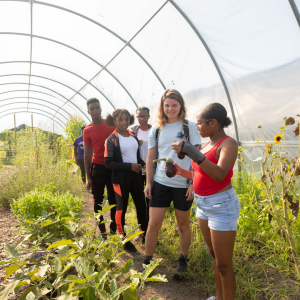
Throughout the Nova Institute’s history, soil, food, and agricultural and culinary landscapes have been central themes of our work. We’ve led kids in Baltimore to dig their hands into the rich, dark dirt of a garden. We developed Five Times a Feast, a free multi-week program focused on healthy, nutritious – and easy – home cooking. We helped young people learn to use spices and herbs to taste the difference of a wholesome, flavorful meal through the Spice MyPlate program. And we created a first-of-its-kind culinary medicine training as a core requirement for first- and second-year medical students, sharing a more connected view of food and health.
In recent months, I’ve been excited about the listening taking place at our Nova Campfires, including one this spring on Food Justice. With colleagues from around the world, we talked about how the rising wave of ultra-processed, low-nutrient food is affecting the health of individuals, communities, and entire ecosystems. And we dug deep, recognizing that while emerging drugs can help treat chronic diseases such as diabetes and obesity, we’ll never find better cures without understanding and addressing the interconnected policies and practices that brought us to this place.
In one of her poems from the LAND residency, Camille describes looking for the earthworms burrowing into and enriching the soil at Harborview Farms. She wrote:
We didn’t see any worms today,
but the way we moved over the field was with an awareness
of worms, of their homes and their particular
sensory perspective,
and I felt like my body was learning a new way to listen.
These sounds – the earthworms beneath your feet, children giggling at the feel of dirt crumbing between their fingers, the “aha” of medical students understanding how food might be part of the prescription, and the debates of policymakers allocating precious funding to farming or healthcare – are pieces of the interconnected systems that shape our individual and collective health.
Now we need to make sure we’re listening carefully enough, building the movement, and promoting the kind of change that leads to sustainable, whole-person health.

Professor Brian Berman, MD
President and Founder, Nova Institute for Health
Professor Emeritus Family and Community Medicine, University of Maryland School of Medicine


