

The 2024 Nova Annual Conference, “New Horizons: Toward an Era of Global Flourishing,” brings together visionary thinkers across disciplines to address critical challenges of our time. Through sessions focused on practical actions and innovative strategies, we explored pathways to support flourishing, resilience, and sustainable well-being.
Each session featured a panel of speakers, with opportunities for all attendees to interact and participate in the discussions. Keep conversations going on the Nova Integration Hub, a free online community designed to help individuals from diverse fields gather, share, and collaborate.
View a downloadable, “at-a-glance” PDF of the conference program
Dec. 5, 10 am – 12 pm

Brian Berman is president of the Nova Institute for Health; professor emeritus of Family & Community Medicine; founding director of the Center for Integrative Medicine, University of Maryland School of Medicine; and co-director of the Cochrane Complementary Medicine Field.

Susan Prescott is director of the Nova Network. She is a professor of planetary health at University of Western Australia, editor-in-chief of Challenges, and a Scholar at the Nova Institute for Health in Baltimore. She is a pediatrician, immunologist, artist, and award-winning author, internationally recognized for cutting-edge research in early environmental determinants of health and disease. Her global work promotes awareness of the interconnections between personal and planetary health in a way that inspires wiser, creative, integrated approaches, grounded in reciprocity, for social and ecological justice and flourishing futures.
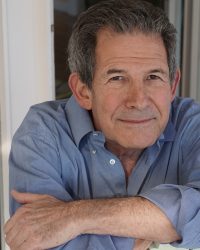
Gary Zukav is co-founder of the Seat of the Soul Institute. He is also a Harvard graduate, former U.S. Army Special Forces officer, member of the Club of Budapest, and recipient of the World Business Academy Pathfinder Award and the Albert Einstein College of Medicine’s Einstein Award for his contributions to the ongoing evolution of knowledge and consciousness within the global business community and the psychosocial growth of humanity. His is author of four consecutive New York Times bestsellers and dedicated to the unprecedented transformation in human consciousness – an entirely new threshold in the human experience. He has appeared on The Oprah Winfrey Show 36 times and six million copies of his books have been published in 32 languages.
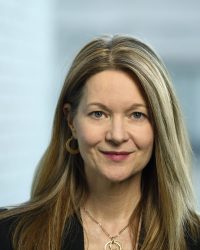
Christina Bethell is a Nova Scholar and professor at Johns Hopkins University’s Bloomberg School of Public Health and School of Medicine where she advances a new science of thriving to promote the early and lifelong health of children and families. Dr. Bethell is also the founding director of the Child and Adolescent Health Measurement Initiative which has developed and advanced an array of standardized child and family health and system performance measures. Her research focuses on building and translating the science of healthy development and the development and application of family centered data and tools to inform and drive positive systems improvements. She has been featured on National Public Radio, provided testimony to the U.S. Congress, and contributed to national efforts promoting relational health as the cornerstone of well-being for children, families, and communities.
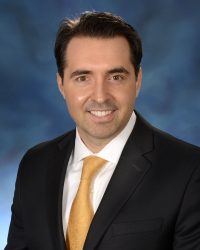
Chris D’Adamo is a Nova Fellow and an epidemiologist with research interests in the synergistic effects of healthy lifestyle practices and genetics on human health, as well as outcomes evaluations of multi-modality, whole-practice integrative health interventions and programs. He received his PhD in epidemiology from the University of Maryland School of Medicine and served with dual appointments in the Center for Integrative Medicine and the Department of Epidemiology and Public Health. He has also served as principal investigator on a wide variety of studies examining diverse topics such as treating chronic disease through exercise, the efficacy of dietary supplements, therapeutic music for improving cancer outcomes, and more.
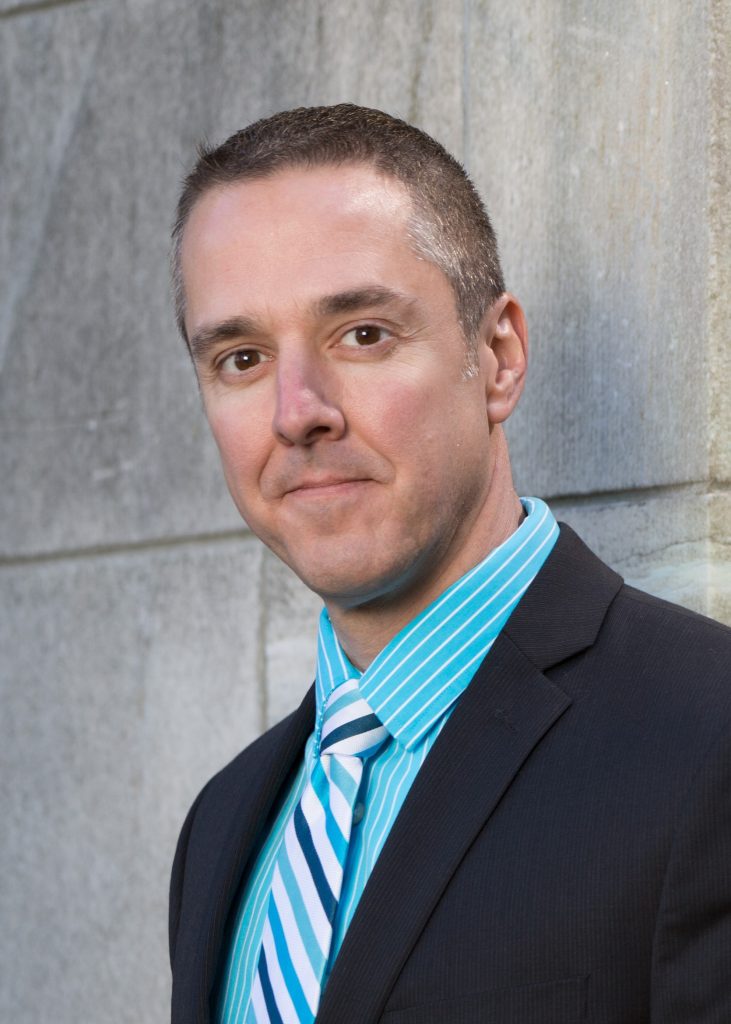
Dr. Christopher Palmer is a Harvard psychiatrist and researcher working at the interface of metabolism and mental health. He is the founder and director of the Metabolic and Mental Health Program, director of the Department of Postgraduate and Continuing Education at McLean Hospital, assistant professor of psychiatry at Harvard Medical School, and author of Brain Energy (2022). For almost 30 years, he has held administrative, educational, research, and clinical roles in psychiatry at McLean and Harvard. He pioneered the use of the medical ketogenic diet in the treatment of psychiatric disorders—conducting research in this area, treating patients, writing, and speaking around the world on this topic. Most recently, he has proposed that mental disorders can be understood as metabolic disorders affecting the brain, which has received widespread recognition in both national and international media outlets.
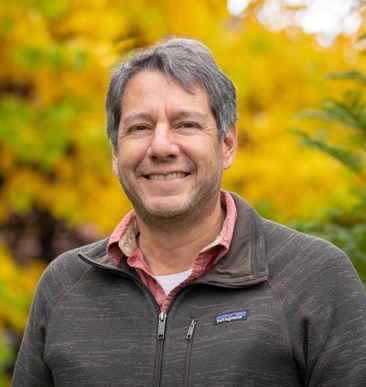
V. Ernesto Méndez is faculty director and member of the leadership team at the Institute of Agroecology at the University of Vermont. He is a professor of agroecology at the University of Vermont’s Department of Plant and Soil Science. His research and teaching focus on agroecology, agrifood systems, smallholder coffee systems, participatory action research, and transdisciplinary research approaches. He has over 25 years of experience working with smallholder farmers and Indigenous communities in Latin America and collaborating in agroecology efforts in a wide diversity of regions. Recently, these efforts have expanded across the world and currently include education and research initiatives in the Northeast United States, Latin America, Africa, and Europe.
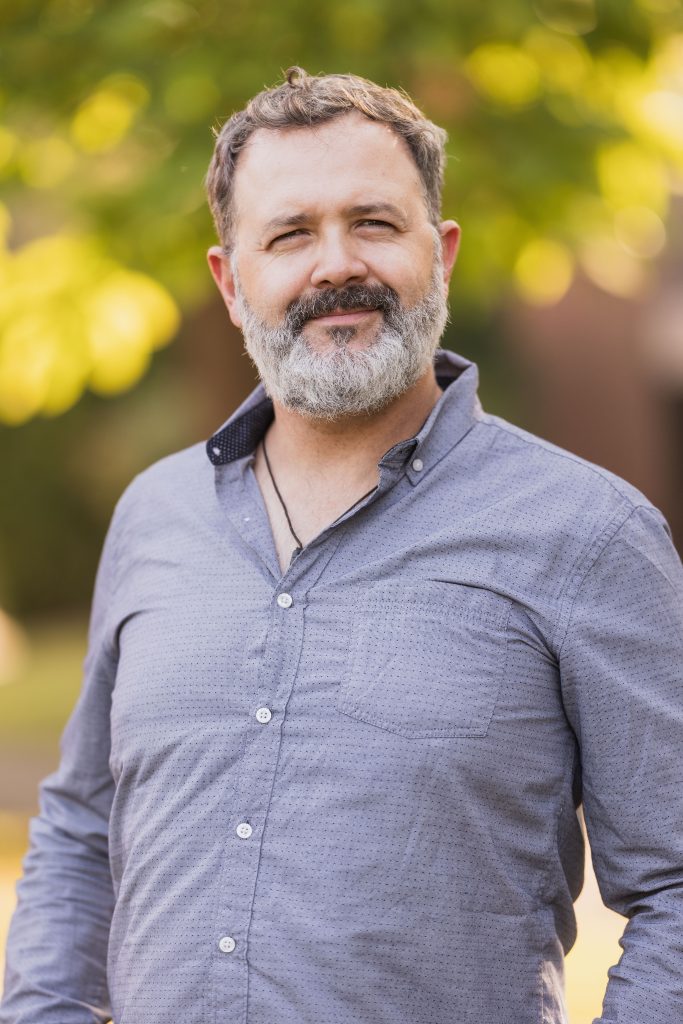
Carlos Andres Gallegos-Riofrío, PhD is a transdisciplinary scholar working at the intersection of agroecology, planetary health, and nutrition. His diverse background spans behavioral, life, and social sciences, with a passion for storytelling through arts and communication. Carlos Andres spent more than a decade in community-based research across Ecuador, Peru, Bolivia, Australia, and the United States. He co-leads the Agroecology and Planetary Health Research Program at UVM Institute for Agroecology, focusing on justice-oriented projects that explore cultural and ecological connections to health. He also serves as research coordinator for the Caliata Initiative, a six-year participatory research initiative that bridges science and Andean ancestral wisdom to promote sustainability and health in the rural Andes. As director of the award-winning film Caliata, he brings attention to the resilience of indigenous Andean communities and the urgent need to reconnect with traditional agroecosystems.
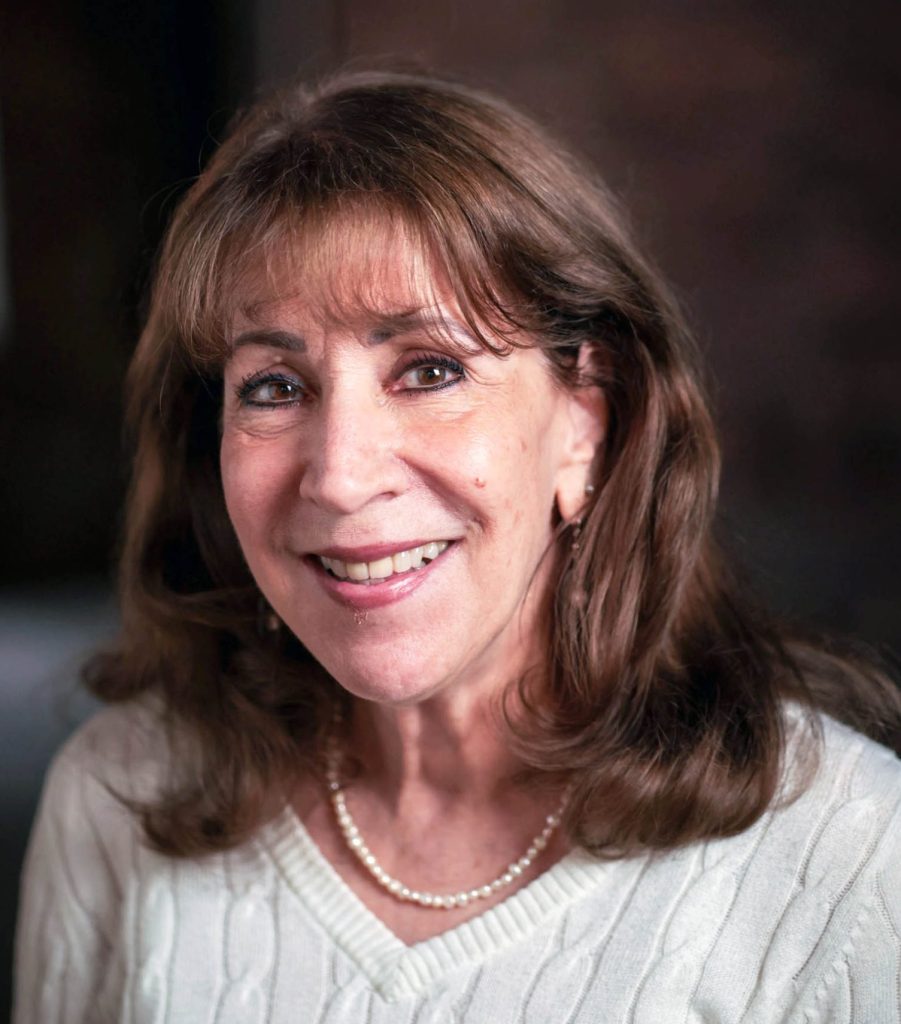
Diana (“Denni”) Fishbein is a Nova Scholar and senior scientist in the FPG Child Development Institute at University of North Carolina, Chapel Hill. She is founder and co-director of the National Prevention Science Coalition to Improve Lives, a professional organization dedicated to the transfer of knowledge from science to public health policies. Her career includes deep expertise in the fields of prevention science, neuroscience, and behavioral science, supported by numerous federal and national funding agencies and foundations to determine impacts of deleterious social contextual factors on brain development and behavioral health in children and adolescents. Her research supports the premise that underlying neurobiological mechanisms interact with the quality of our psychosocial experiences and environmental contexts to alter trajectories either towards or away from risk behaviors. Her work further suggests that compensatory mechanisms can be strengthened with the appropriate psychosocial and environmental manipulations.
David Wiss, PhD is a mental health scientist and registered dietitian nutritionist. He founded Nutrition in Recovery, a group practice based in Los Angeles, California, integrating nutrition care into substance use disorder treatment. Dr. Wiss founded the Wise Mind Nutrition mobile app, bridging the gap between nutrition and mental health. As a clinician and researcher, he has over a decade of experience working one-on-one with patients. He has authored more than 20 peer-reviewed journal articles on topics related to disordered eating and ultra-processed food addiction. Dr. Wiss is dedicated to disrupting the status quo and contributing innovative solutions to the mental health crisis.
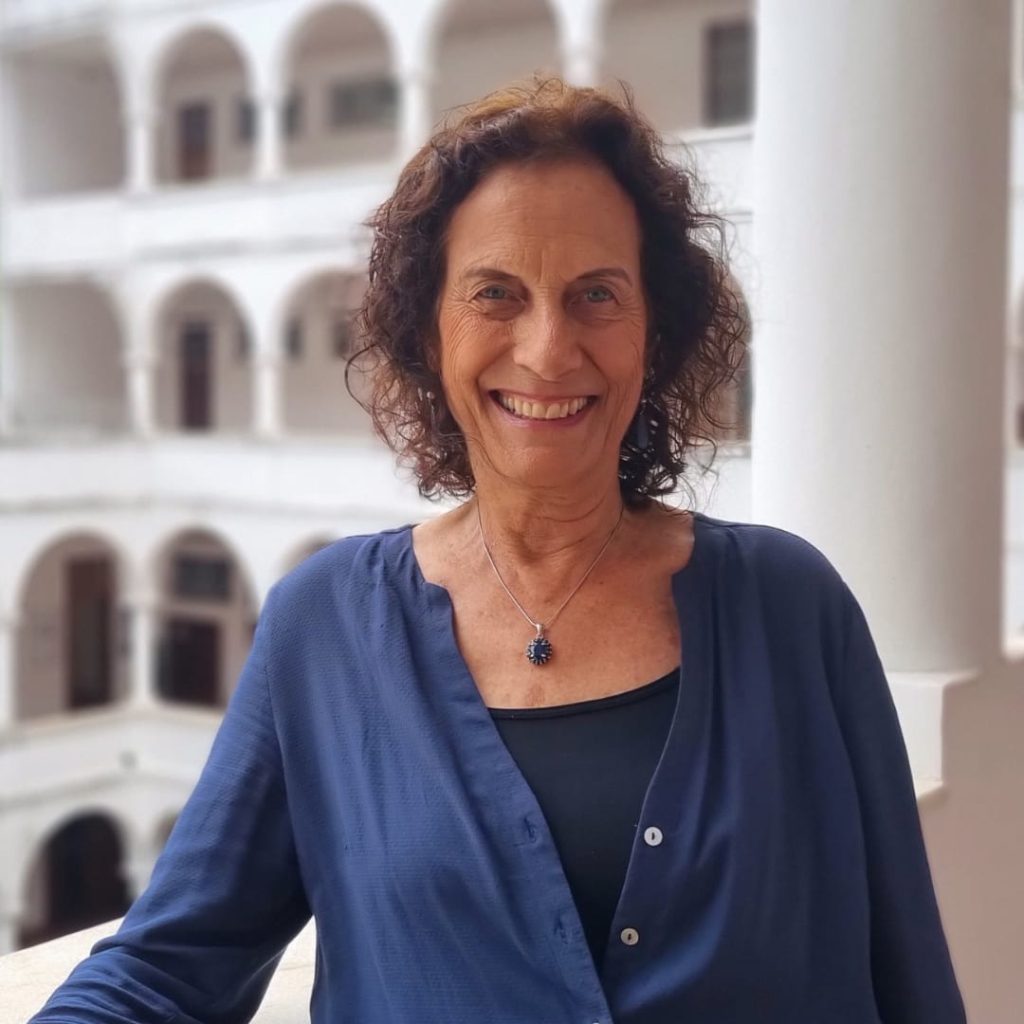
Irene Rizzini is professor at the Pontifical Catholic University of Rio de Janeiro, Brazil and director of its International Center for Research and Policy on Childhood. Professor Rizzini has published extensively on children, families, and their communities in Brazil, and has conducted research in collaboration with colleagues in several countries. She served as visiting scholar at the University of Notre Dame, USA; University of Edinburgh, Scotland; and Toronto Metropolitan University, Canada, and is a recipient of the ISCI Award in Honor of Alfred J. Kahn and Sheila B. Kamerman (2022), and others. She focuses on issues of rights violation, particularly children living and working in vulnerable situations such as poverty, violence, and living or working on the streets. She also conducted studies on family support structures, children with mental and developmental disabilities, children in the juvenile justice system, and children and young people’s activism and their right to participation.

Maria Parazo Rose is a 2024-25 Nova Media Fellow and journalist focused on how land rights and climate change impact tribal communities, sovereignty, and jurisdiction. She received her master’s degree from MIT’s Science Writing program and was a reporter and spatial data analyst on the Indigenous Affairs desk at Grist, where she made maps about Indigenous affairs, conservation, and resource extraction. Prior to working at Grist, Maria served as a producer on Resettled, a podcast that explores the refugee resettlement process in the United States, produced NPR’s Morning Edition in Pittsburgh, Pennsylvania, and worked for a nonprofit addressing migrant rights and statelessness in Chiang Mai, Thailand. Her work can be found in publications including Grist, Popular Science, NPR, The Allegheny Front, and New York Focus.

Preeti Simran Sethi is a 2024-25 Nova Media Fellow and an EMMY-award winning writer, academic, and mental health coach dedicated to advancing social, environmental, and personal change. Her work has appeared in publications including The New York Times, The Wall Street Journal, The Guardian, Nautilus, Guernica, and WIRED. Preeti’s book, Bread, Wine, Chocolate: The Slow Loss of Foods We Love, details agricultural biodiversity loss across six continents and was named one of the best food books of the year by Smithsonian and “a revelation” by Science. As a Ferris-UC Berkeley Psychedelic Journalism Fellow, she created a yearlong series on what it means to decolonize psychedelics.
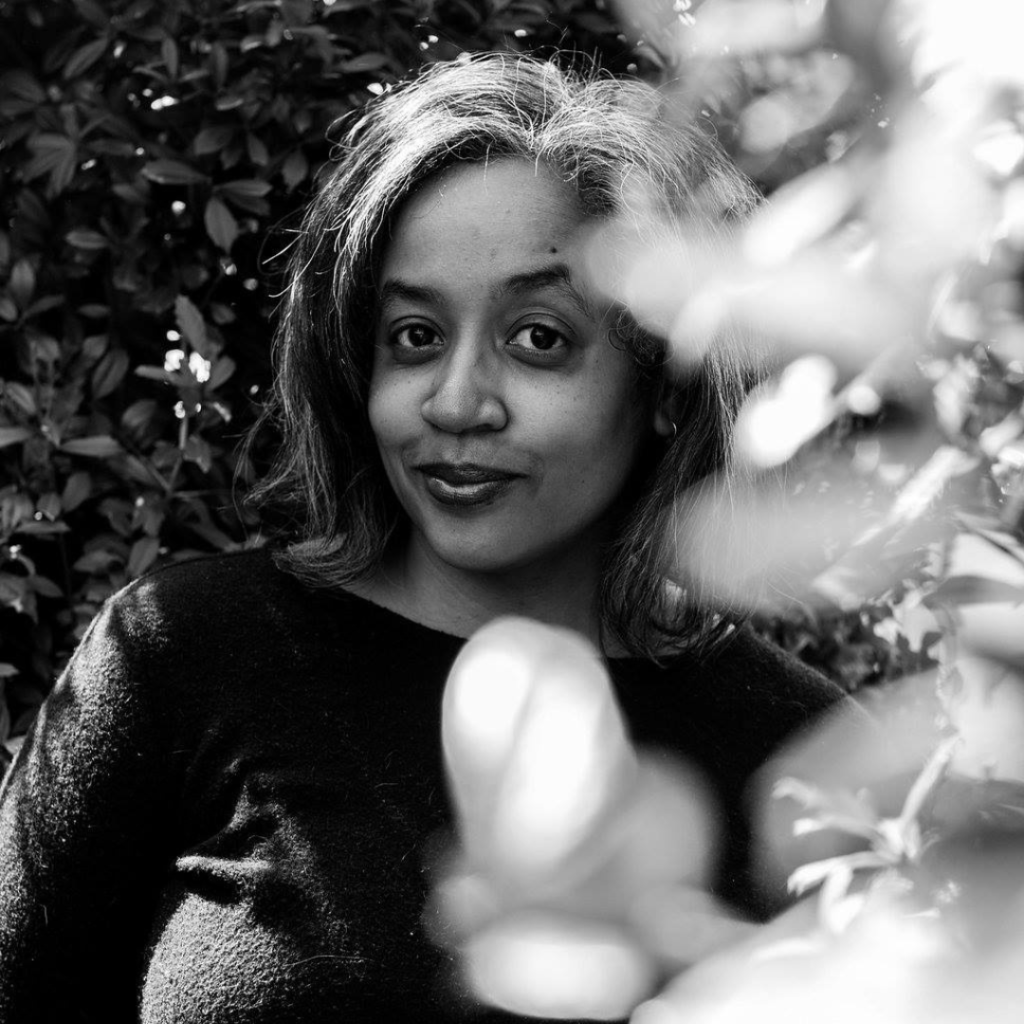
Cynthia R. Greenlee is a 2024-25 Nova Media Fellow and North Carolina-based journalist and legal historian blending archival research with traditional journalistic methods. A doctoral graduate of Duke University, her work has spanned various beats from food and reproductive health to history. She is the winner of a 2020 James Beard Award for American food writing and a four-time nominee. She is a noted scholar of race and abortion in the United States and worked as the lead editor for an anthology of Black writers on reproductive justice, The Echoing Ida Collection (Feminist Press). She was awarded the first Dignity to Decide award from the Religious Community for Reproductive Choice for her body of work on sexual and reproductive health.
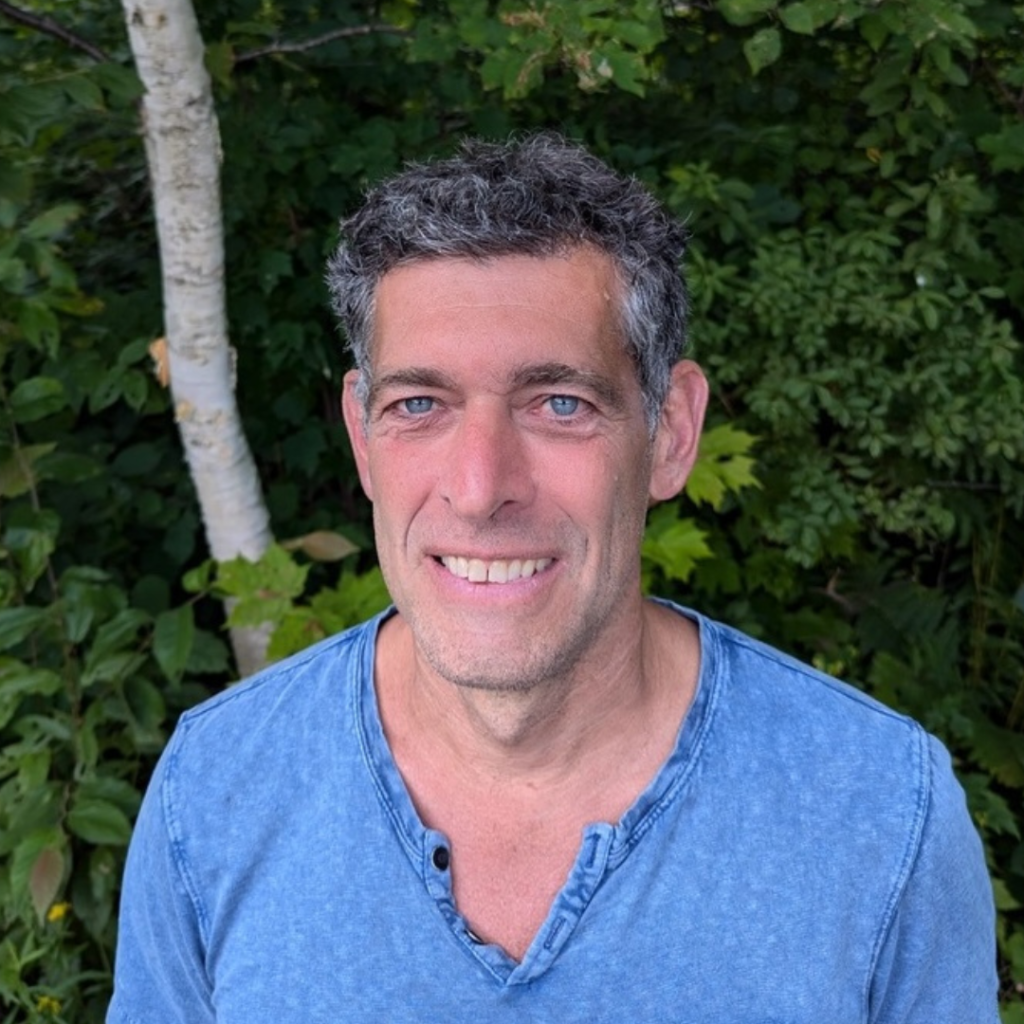
Rowan Jacobsen is a 2024-25 Nova Media Fellow, author, and journalist who writes about science, nature, and the less-explored corners of the world. His writing has appeared in the pages of the New York Times, Washington Post, Boston Globe, The Atlantic, Scientific American, Smithsonian, and elsewhere, and his work has been anthologized in the Best American Science & Nature Writing. He is the author of Fruitless Fall, The Living Shore, Shadows on the Gulf, and other books, including the James Beard Award-winning A Geography of Oysters. He has been featured on All Things Considered, The Splendid Table, CBS This Morning, and Morning Edition; has lectured at Harvard and Yale; and has performed with Pop-Up Magazine. He lives in the Vermont countryside with his wife and a few old apple trees.
Dec. 5, 2 – 4 pm EST
Susan Prescott is director of the Nova Network. She is a professor of planetary health at University of Western Australia, editor-in-chief of Challenges, and a Scholar at the Nova Institute for Health in Baltimore. She is a pediatrician, immunologist, artist, and award-winning author, internationally recognized for cutting-edge research in early environmental determinants of health and disease. Her global work promotes awareness of the interconnections between personal and planetary health in a way that inspires wiser, creative, integrated approaches, grounded in reciprocity, for social and ecological justice and flourishing futures.
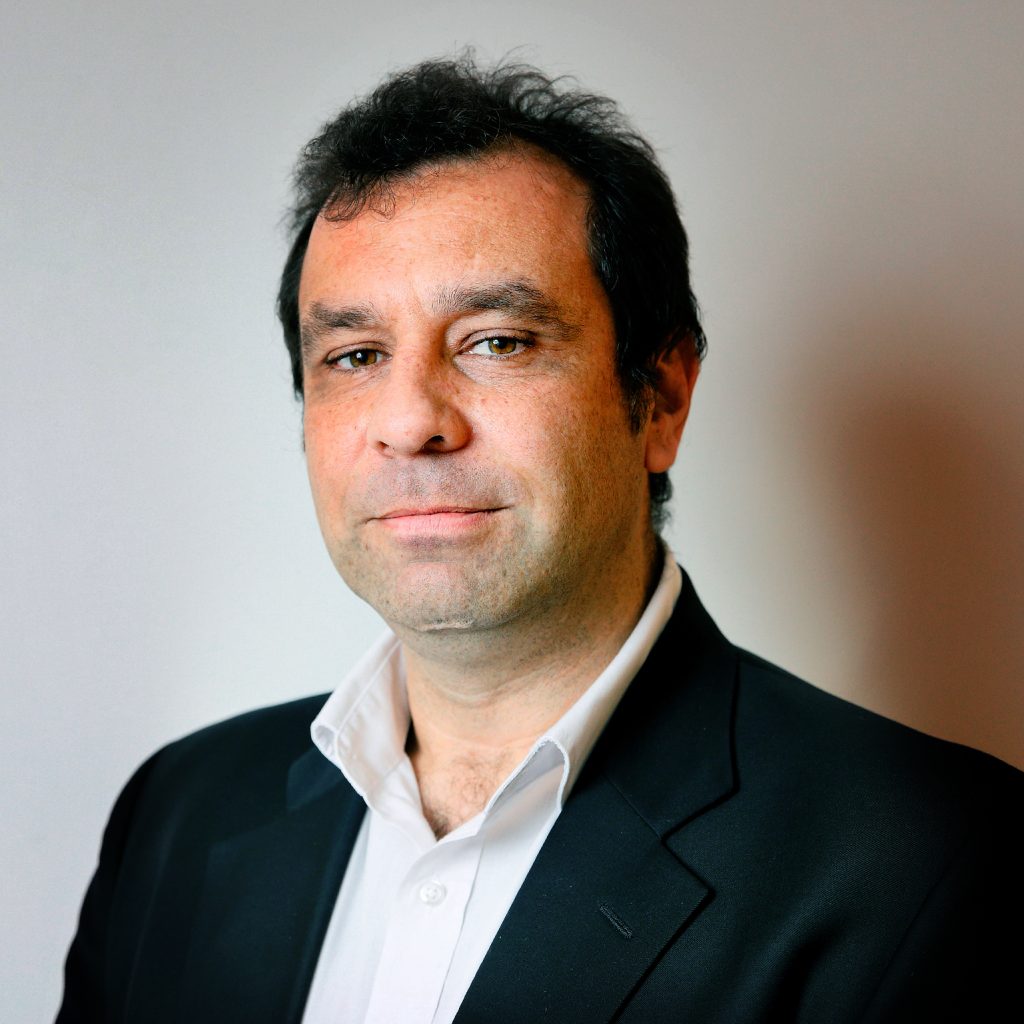
Simon P. Michaux is associate professor of geometallurgy at the Geological Survey of Finland (GTK) in KTR, the Circular Economy Solutions Unit. He has a bachelor’s degree in physics and geology and a PhD in mining engineering from JKMRC University of Queensland. His work at GTK has been in the minerals intelligence in the MTR unit, before joining the KTR (mineral processing and geometallurgy). His long term objectives include the development and transformation of the circular economy into a more practical system for the industrial ecosystem that can help navigate the twin challenges of the scarcity of technology minerals and the transition away from fossil fuels.
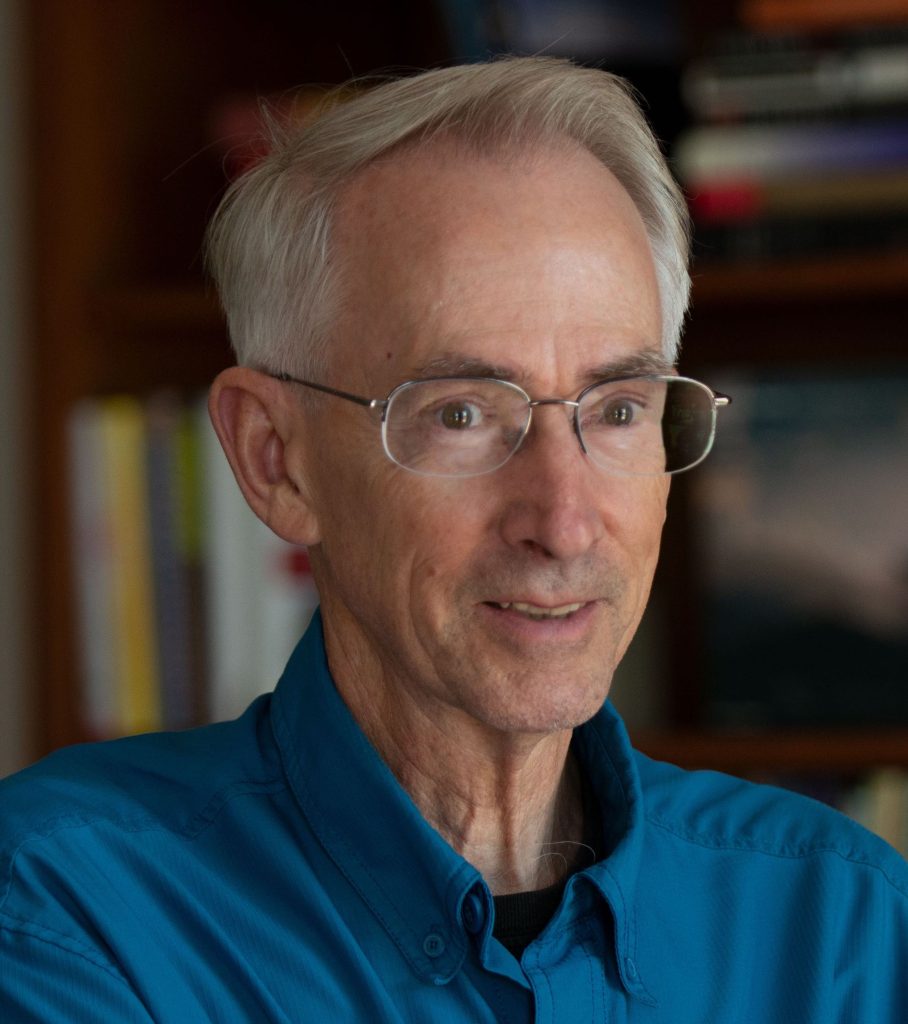
David Sloan Wilson is an American evolutionary biologist and a SUNY Distinguished Professor Emeritus of Biology and Anthropology at Binghamton University. He is president of ProSocial World, which applies evolutionary theory to all aspects of humanity in addition to the rest of life. His most recent books include This View of Life: Completing the Darwinian Revolution; Prosocial: Using Evolutionary Science to Build Productive, Equitable, and Collaborative Groups (with Paul W.B. Atkins and Steven C. Hayes); and his novel, Atlas Hugged.
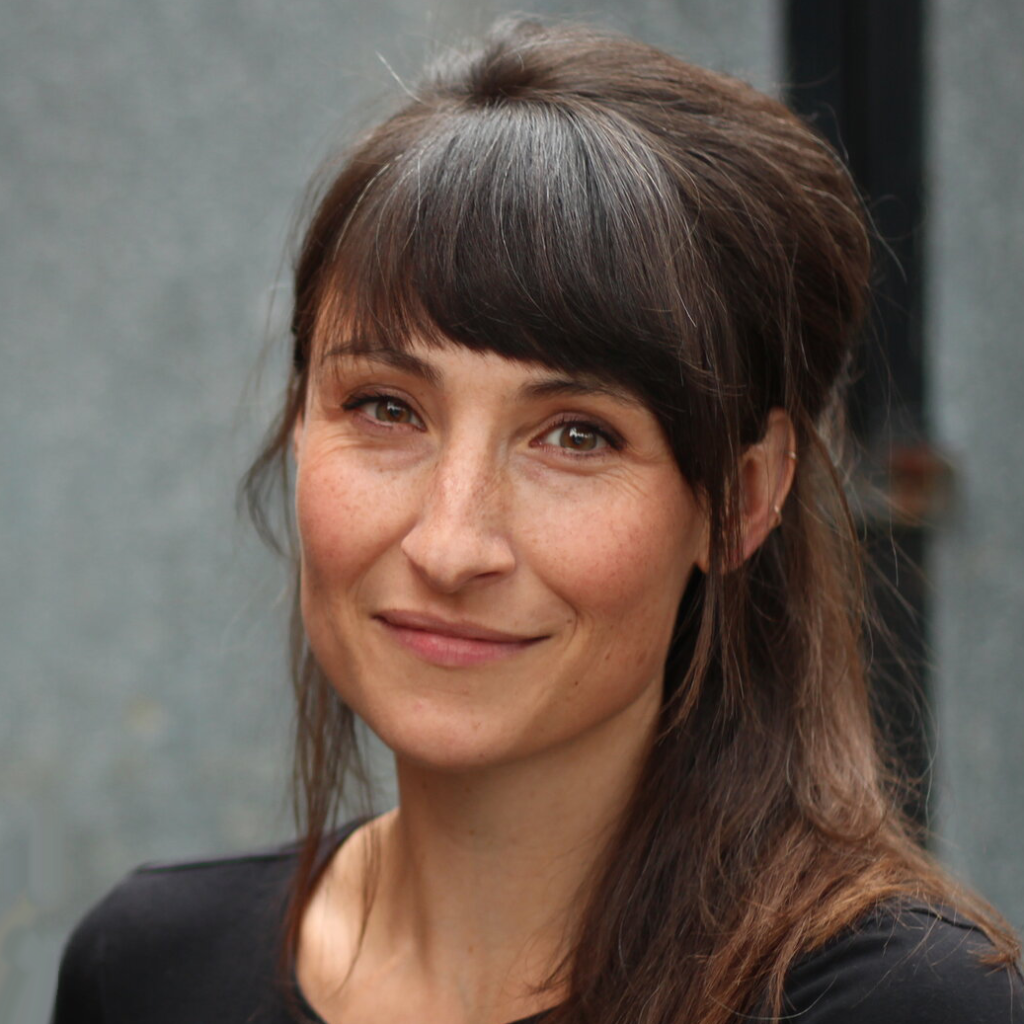
Rosie Bell is a writer working primarily in public climate narrative and the inner dimension of sustainability, with collaborators such as the Climate Majority Project, Life Itself Institute, and the Mindfulness Initiative. She brings an academic background in philosophy and political communication to a decade of work with NGOs, policy initiatives and social change leaders.
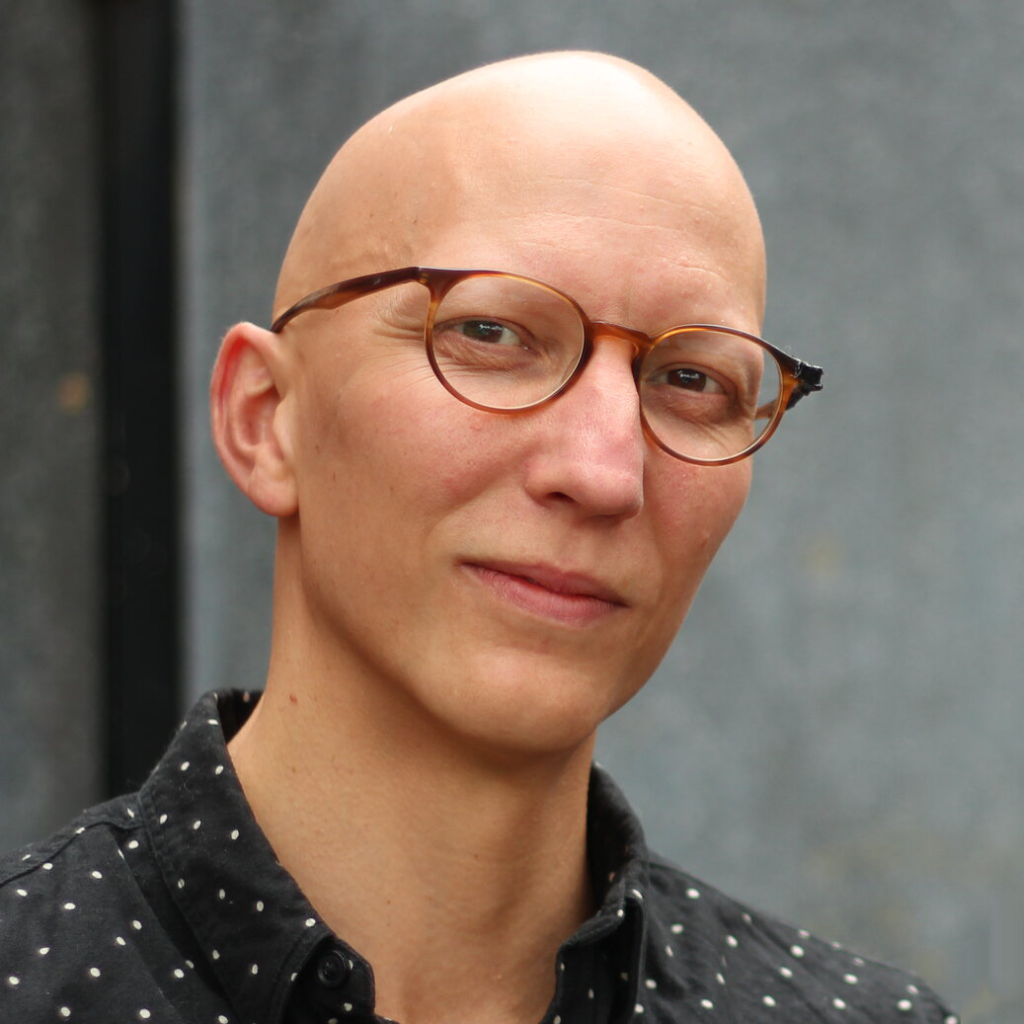
Jamie Bristow is a writer and policy expert on the application of inner development and contemplative practices in public life. He is a senior fellow and member of Life Itself, an honorary associate of Bangor University, and a fellow of Mind & Life. Jamie leads on public narrative and policy development for the Inner Development Goals, emphasizing the inner skills and qualities needed for a sustainable transition. For eight years, he played an instrumental role in the U.K.’s All-Party Parliamentary Group on Mindfulness, acting as its clerk and serving as director of the associated policy institute, The Mindfulness Initiative. He worked with legislators around the world to make mindfulness and compassion training serious matters of public policy and catalysts for a healthier political process. Jamie’s earlier roles included being the business development director at Headspace, and his rich background encompasses psychology, climate change campaigning, and advertising.

Paul Dieppe is a Nova Scholar and emeritus professor of well-being at the University of Exeter Medical School. He is among the world’s preeminent osteoarthritis researchers and one of a small number of health researchers in the U.K. to have held the prestigious Senior Investigator award from the National Institute for Health Research. His recent work focuses on love and healing. The Healing Journey study was conducted in collaboration with other Nova Scholars and Fellows and was among the first to examine healing from a patient’s perspective beyond a clinical setting. His new book, Healing and Medicine, A Doctor’s Journey Towards Their Integration (Routledge, 2023), explores the role of spirituality and healing alongside traditional medicine, and calls for a more pluralistic approach to medicine. He has published more than 500 articles in peer review journals and authored or co-authored several medical books.
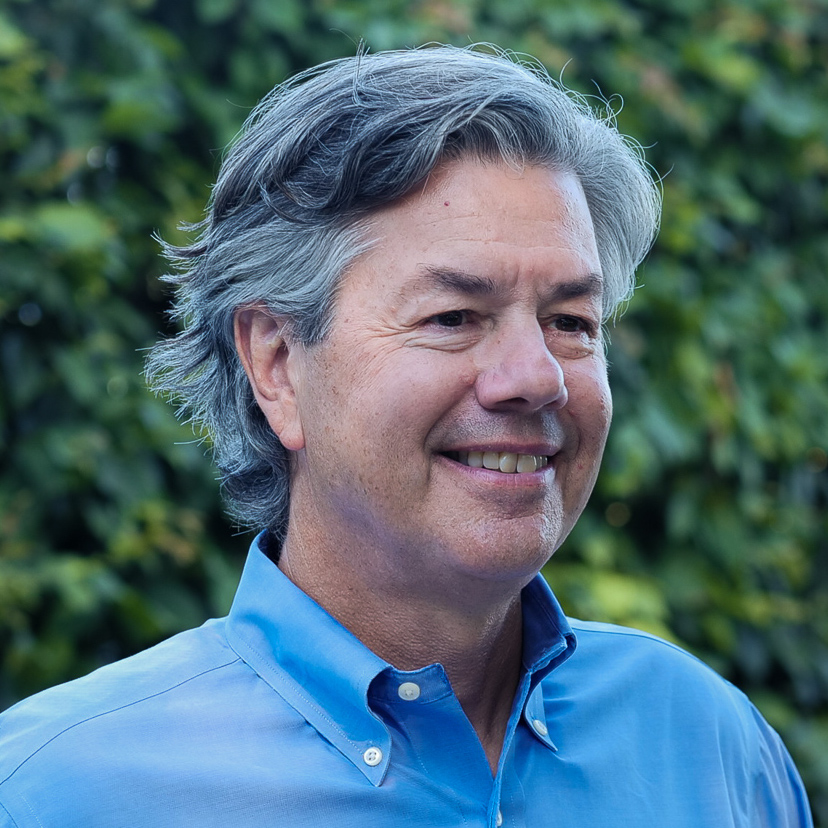
John Fullerton is an unconventional economist, teacher, writer, impact investor, and some have said philosopher. He is considered the architect of regenerative economics and its companion, regenerative finance, built on a foundation of complex adaptive living systems science and first presented in his book, Regenerative Capitalism (2015). John is the founder of the Capital Institute, dedicated to the bold reimagination of economics and finance, aligned with and in service to life. He is also the co-founder of Grasslands, LLC, a board member of the Savory Institute, and a member of the Club of Rome. He teaches two online courses with an alumni base of more than 1500 leaders from 75 countries and speaks internationally to public audiences and universities. John was featured in the 2021 award-winning documentary, Going Circular.
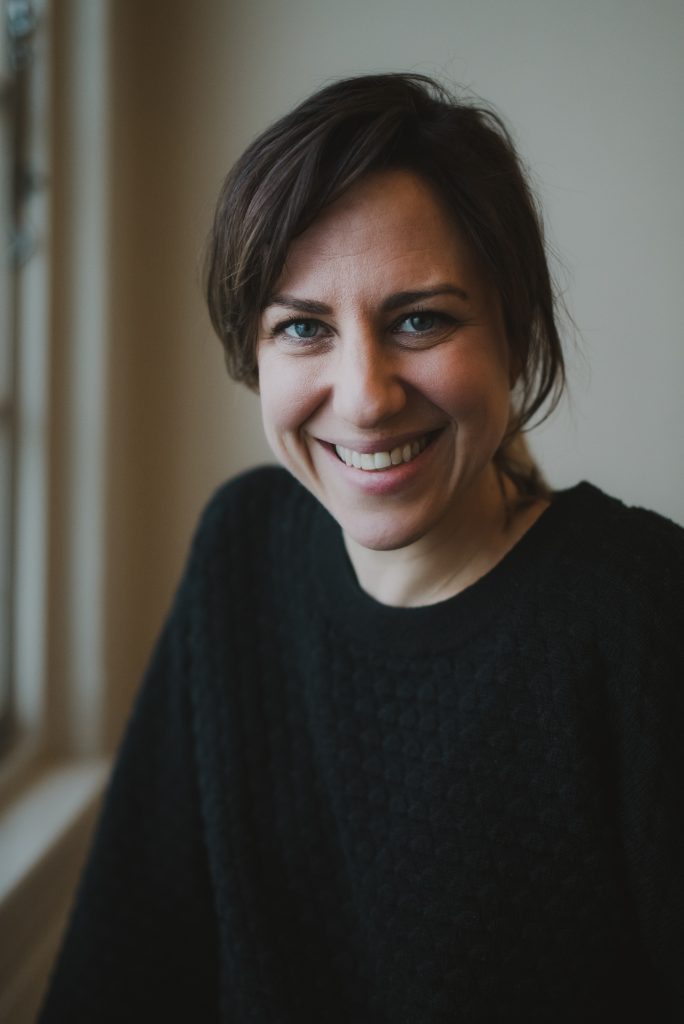
Berry Liberman is a writer, podcaster and social philosopher who focuses on themes of leadership, storytelling, consciousness, economics, and human cultural evolution and connection. Berry is co-founder of Small Giants Family Office and a pioneer in the impact investing landscape globally, across media, the built environment, venture capital, regenerative agriculture, financial services, nature-based climate solutions, biodiversity, and energy systems. Berry is the creative director of Small Giants Academy (SGA), a not-for-profit accelerator, education, and media initiative with a focus on leadership for a hopeful future. SGA offers a suite of programs including its year-long MBE: Mastery of Business & Empathy which challenges and reimagines the traditional MBA. Berry also hosts the Wisdom and Action podcast which explores meaningful interventions for a hopeful future. As a mother to three beautiful children, her work is in service to them and generations to come.
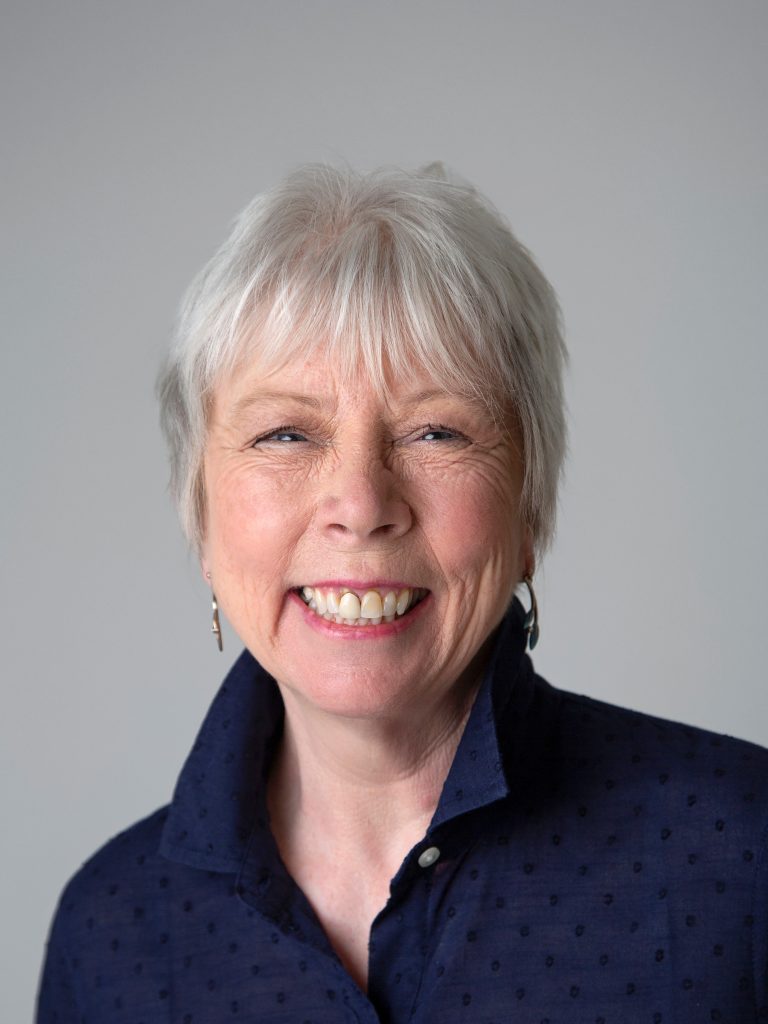
Jude Currivan, PhD is a cosmologist, planetary healer, futurist, author, and co-founder of WholeWorld-View. She has a master’s degree in physics from Oxford University specializing in quantum physics and cosmology and a PhD in archaeology from the University of Reading in the U.K. researching ancient cosmologies. Jude integrates leading edge science, research into consciousness, and universal wisdom teachings into a wholistic worldview. This underpins her work aimed at enabling transformational and emergent resolutions to our collective planetary issues, raising awareness and empowering fundamental change, and sustainable solutions to global problems.
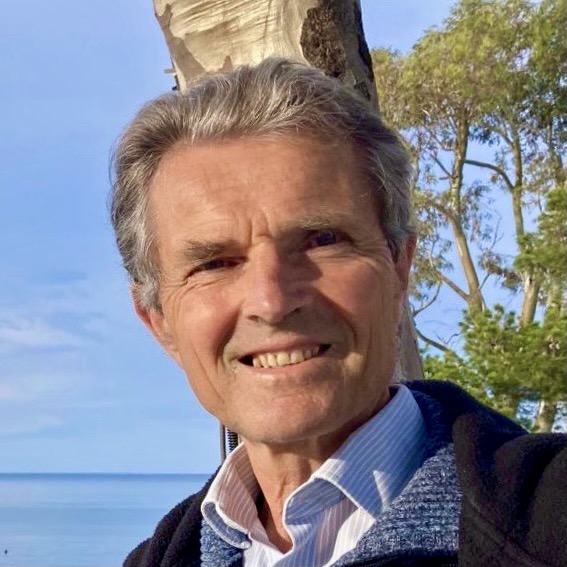
David Lorimer, MA, PGCE, FRSA is a writer, lecturer, poet, editor, and spiritual activist who is founder of Character Education Scotland, global ambassador and program director of the Scientific and Medical Network, and former president of Wrekin Trust and the Swedenborg Society. He has also been editor of Paradigm Explorer since 1986. His most recent books are his essays, A Quest for Wisdom; his collection of poetry, Better Light a Candle; and, edited with Ervin Laszlo, The Great Upshift. David is also chair of the Galileo Commission which seeks the expand the evidence base of science of consciousness beyond a materialistic world view. In 2020 he was awarded a Lifetime Achievement Award as a Visionary Leader by the Visioneers International Network and the 2021 Aboca Human Ecology Prize. He is a Creative Member of the Club of Budapest and a Member of the Evolutionary Leaders Circle.

Healing is facilitated through safety, persistence, and trust.

Resources support us as we heal. They include reframing, responsibility, and positivity. “Making connections enabled participants to acquire and refine resources and skills that were essential in their healing journey. People also brought their own personal strengths to the journey.”

“Connection to others was an essential part of all the healing journeys.” Humans are social creatures, and even the most introverted of us need close relationships. Friends and family add meaning and value to life and help support us, in good times and bad.
When we experience relational trauma, relationships can feel scary, but reestablishing safety and trust in relationships is where the healing happens. (To be clear, we do not mean reestablishing safety and trust with abusers, but rather finding other healing relationships.)
“When safety and trust had been established, people were able to connect with helpers. The nature of the behaviours of helpers that fostered healing ranged from small acts of kindness to unconditional love.”

Healing probably means different things to different people, but one definition that emerged from the study is: “The re-establishment of a sense of integrity and wholeness.”
Healing was an emergent property that resulted from each individuals’ complex healing journey, a result of bridged connections between resources and relationships. “…they gradually found relief from suffering and began to exhibit emergent characteristics: a sense of hope, self-acceptance, and a desire to help others—the immediate precursors to healing.”
In varying degrees, “they were able to transcend their suffering and in some sense to flourish.”

Suffering is the ongoing pain from wounding.
There is some debate about whether people always experience suffering on the path to healing.

Wounding happens when we experience physical or emotional harm. It can stem from chronic illness or by physical or psychological trauma for which we do not have the tools to cope, or a combination of those factors.
“The degree and quality of suffering experienced by each individual is framed by contextual factors that include personal characteristics, timing of their initial or ongoing wounding in the developmental life cycle and prior and current relationships.”
Characteristics: How predisposed someone may be to wounding/how many tools and resources someone may have to deal with trauma/illness.
Lifestages: Developmental timing plays an important role in the impact of trauma — young children often do not have the same resources as older adults.
Relationships: Relationships can provide solace and support for those suffering, while lack of healthy relationships can prolong suffering.